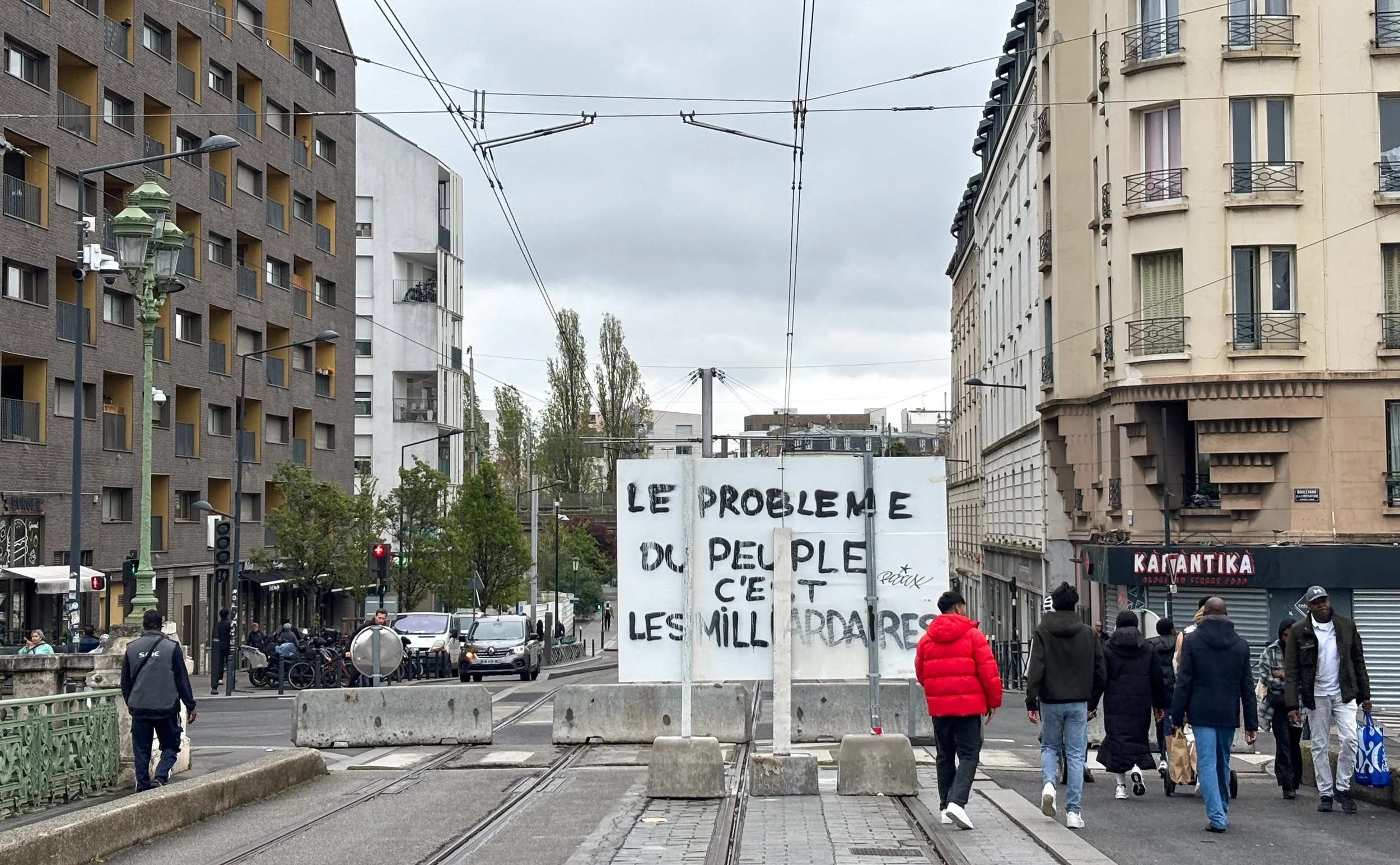
Le problème du peuple.
In hindsight, a bent disk brake turned out not to be an issue at all.
I’d been trying to travel to that slice of Europe tucked away between the Seine and the Rhine rivers for years. The Champagne-Moules corridor, or so I’ve renamed it, is a slice of land stretching north-east of Paris, through Belgium up to Antwerp and it always felt ripe with the promise of great wines, buckets of mussels and fierce cobblestone climbs. But there’s always been something. Bad weather, train strikes and, this time, some careless baggage handlers at London Heathrow. By the time a duo of very nice bike mechs had fixed – for free! – my stricken wheel, my plans were scuppered.
Which wasn’t too bad because I was in Paris and boy didn’t the good old ville lumière improve since the last time I’ve set foot here.
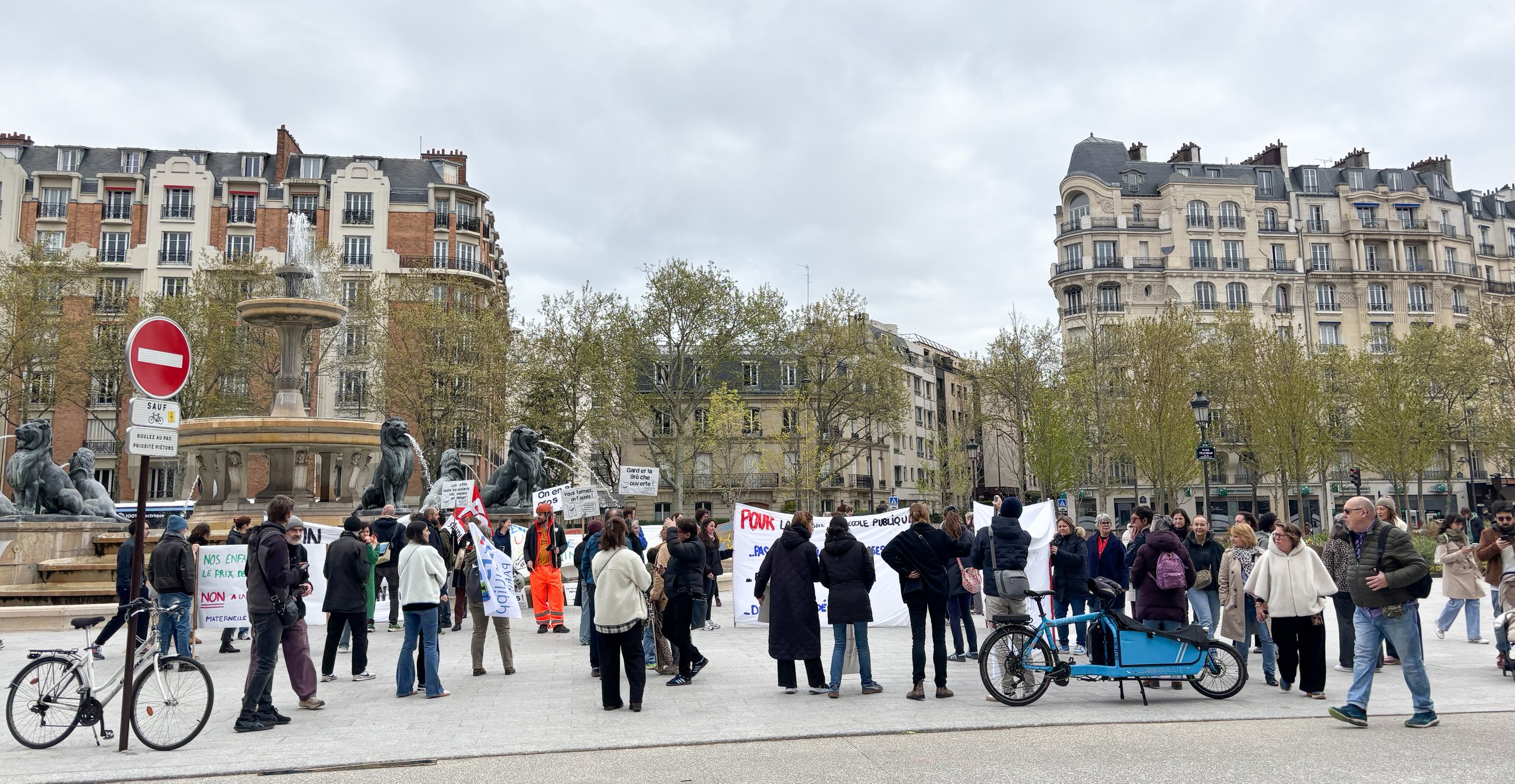
Avenue Daumesnil was your classic Haussmann-style thoroughfare, ascending from the Porte Dorée towards Place de la Bastille. Lined with tall plane trees and bordered with beautiful buildings. A market was in full swing, shops spilled over the wide pavements, dozens of cyclists buzzed along the two cycle lanes and every block had at least one café terrace where the locals were busy being extremely French: smoking rollies, shrugging and snogging like it was an Olympic sport. There even was a demonstration going on, because why not.
This urban idyll wasn’t always thus. The tarmac beneath the table I was sat at, enjoying a coffee and the morning sun, betrayed the word PAYANT hastily covered with a dash of black paint. Not long ago, avenue Daumesnil was a long, dreary car park.
Unbeknownst to me, Paris had undergone a revolution. The 2024 Olympics had been hosted here and, while the British press had spent considerable time covering its puzzling logo or the debacle of hosting triathlon in the Seine, the rest of the city had decided to ditch the four wheels for three, two or no wheels at all.
Bike lanes had sprouted almost everywhere, designed to standards that I found myself wishing Transport for London could achieve. And, in some places, the city planners had gone beyond building a lane.
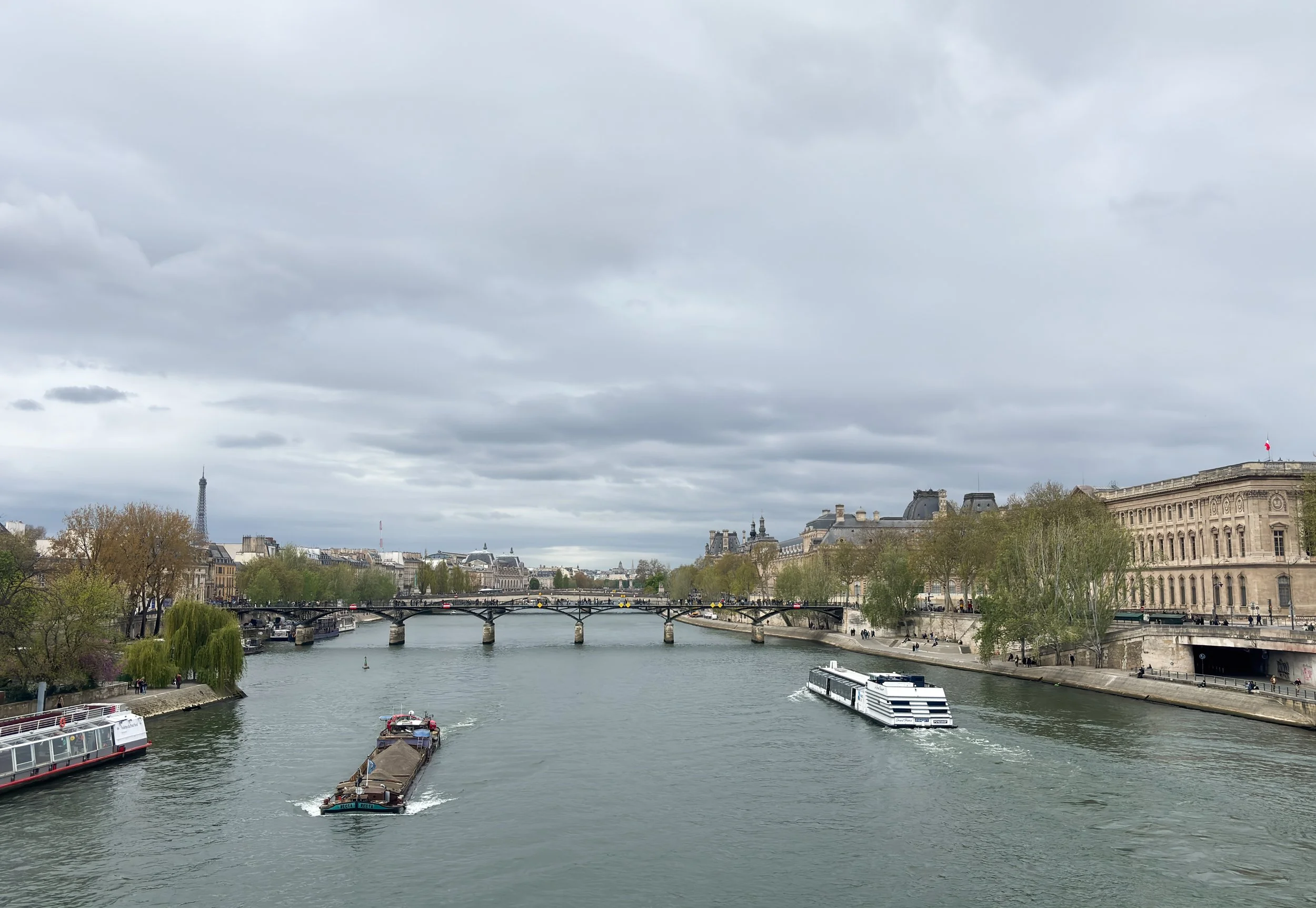
Voie Georges Pompidou is the road equivalent of a ‘greatest hits’ record for a pop artist. Running on the right bank of the Seine, it featured in an epic car chase in the first Bourne film, with Matt Damon squeaking away from the police on a red Mini. Back then, the two lanes were chock-a-bloc with traffic. Now, no more.
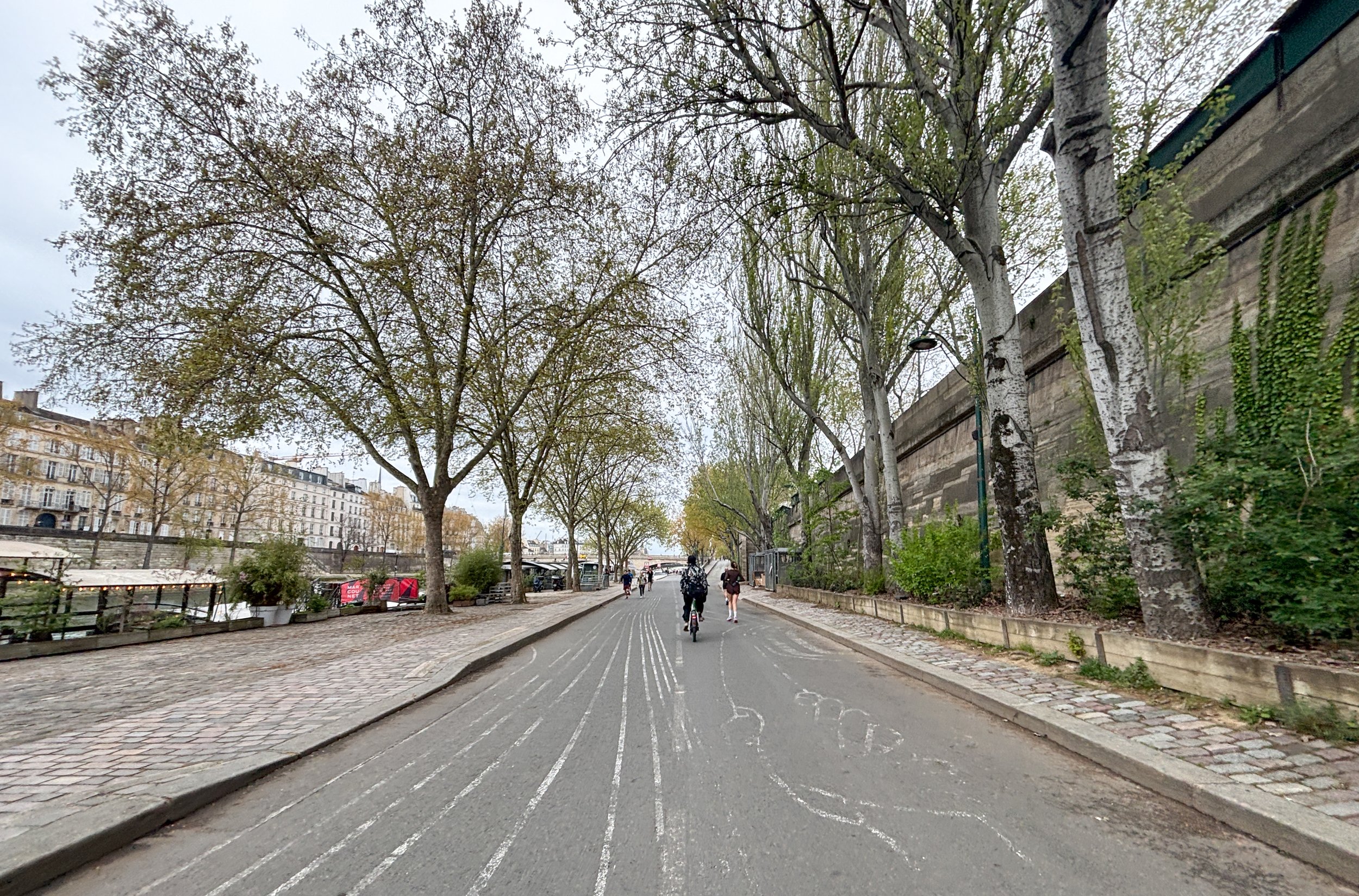
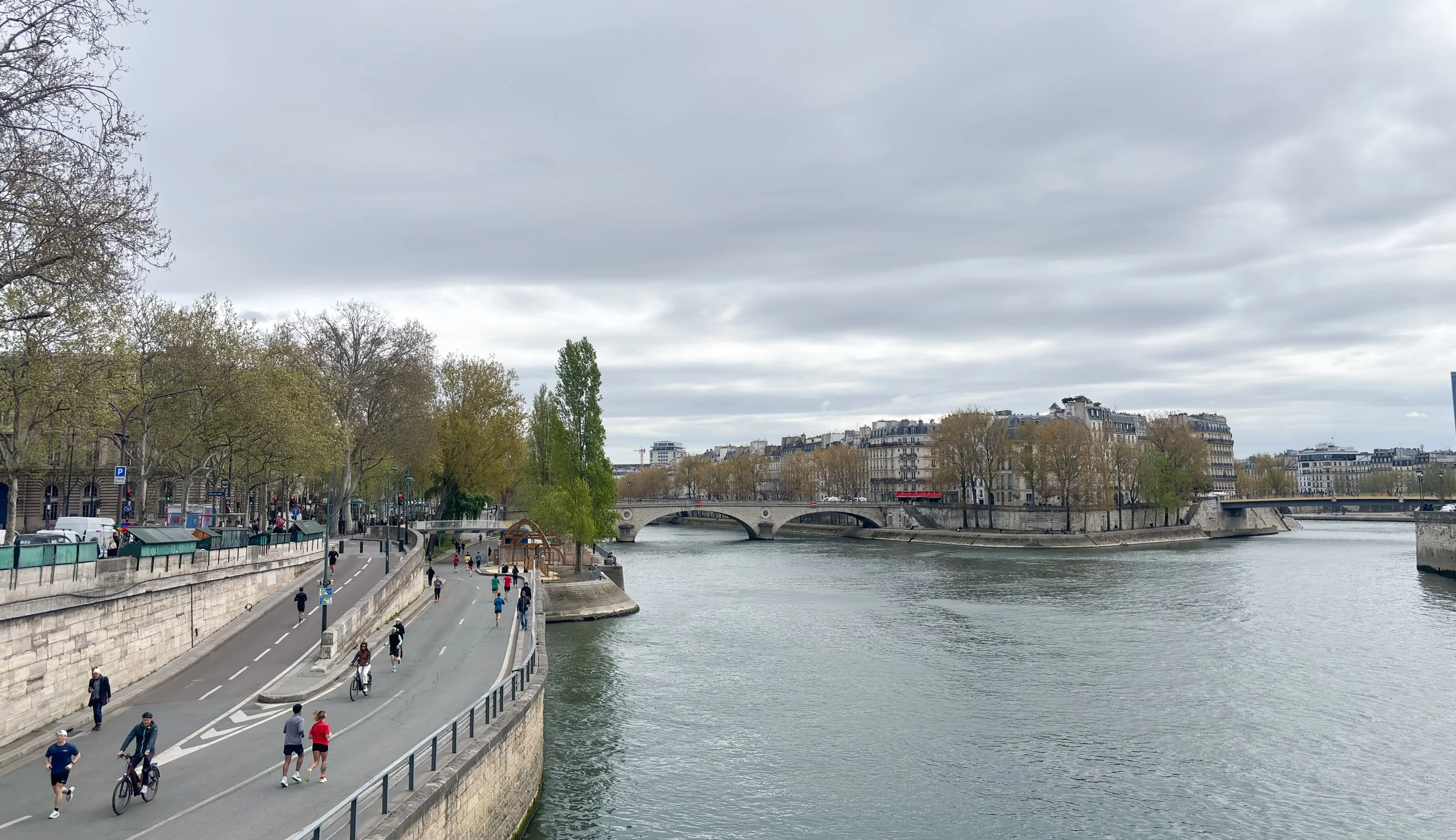
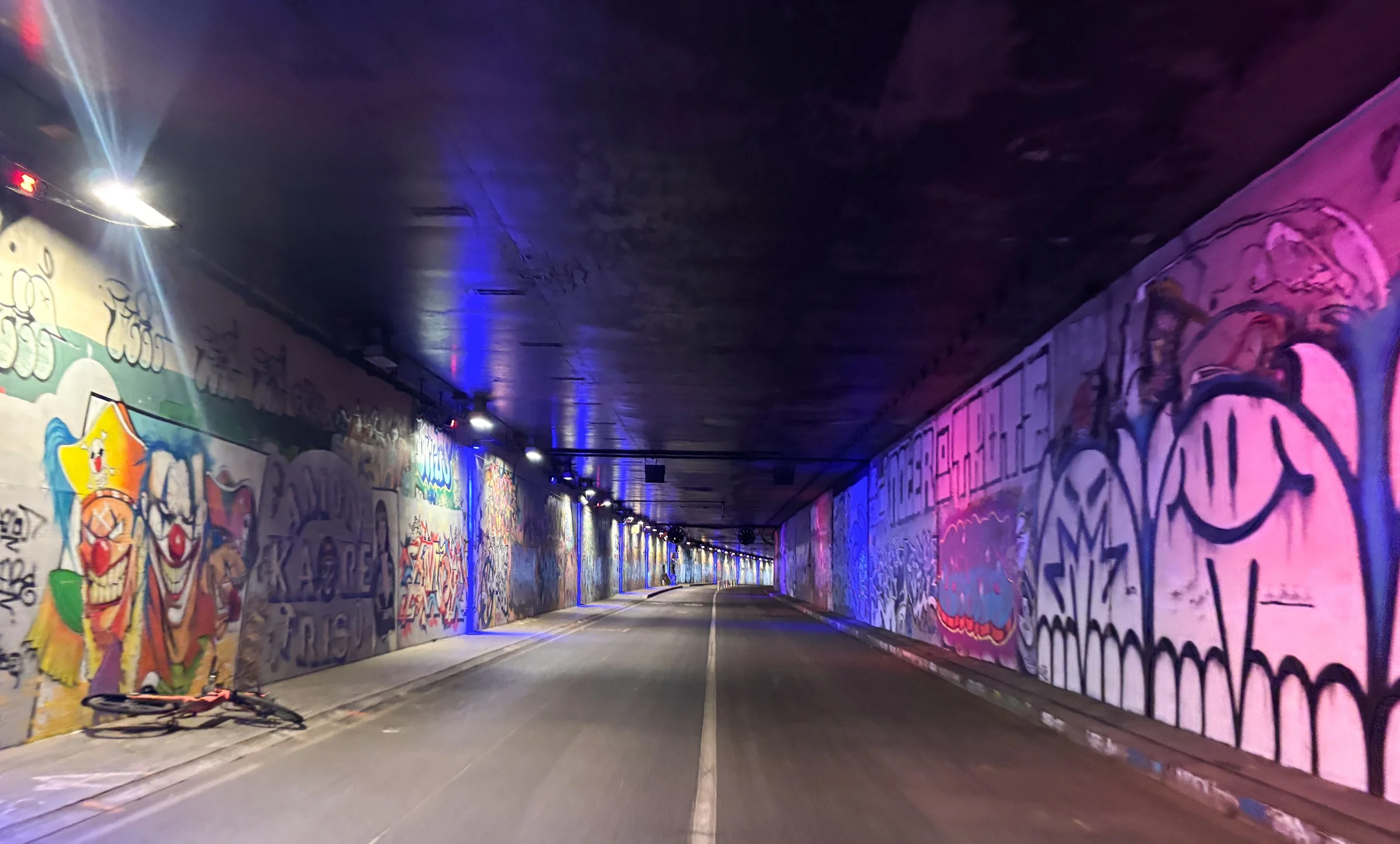
Slip roads were shut off, centrelines barely painted over, and the tunnel running under the Tuileries gardens shut off. Cyclists, pedestrians and runners now had free reign, and the bike path continued unimpeded past Place de la Concorde and along the Champs-Élysées. Even the underground bypass for Paris’ craziest roundabout, the Arc de Triomphe, had been shut to vehicular traffic.
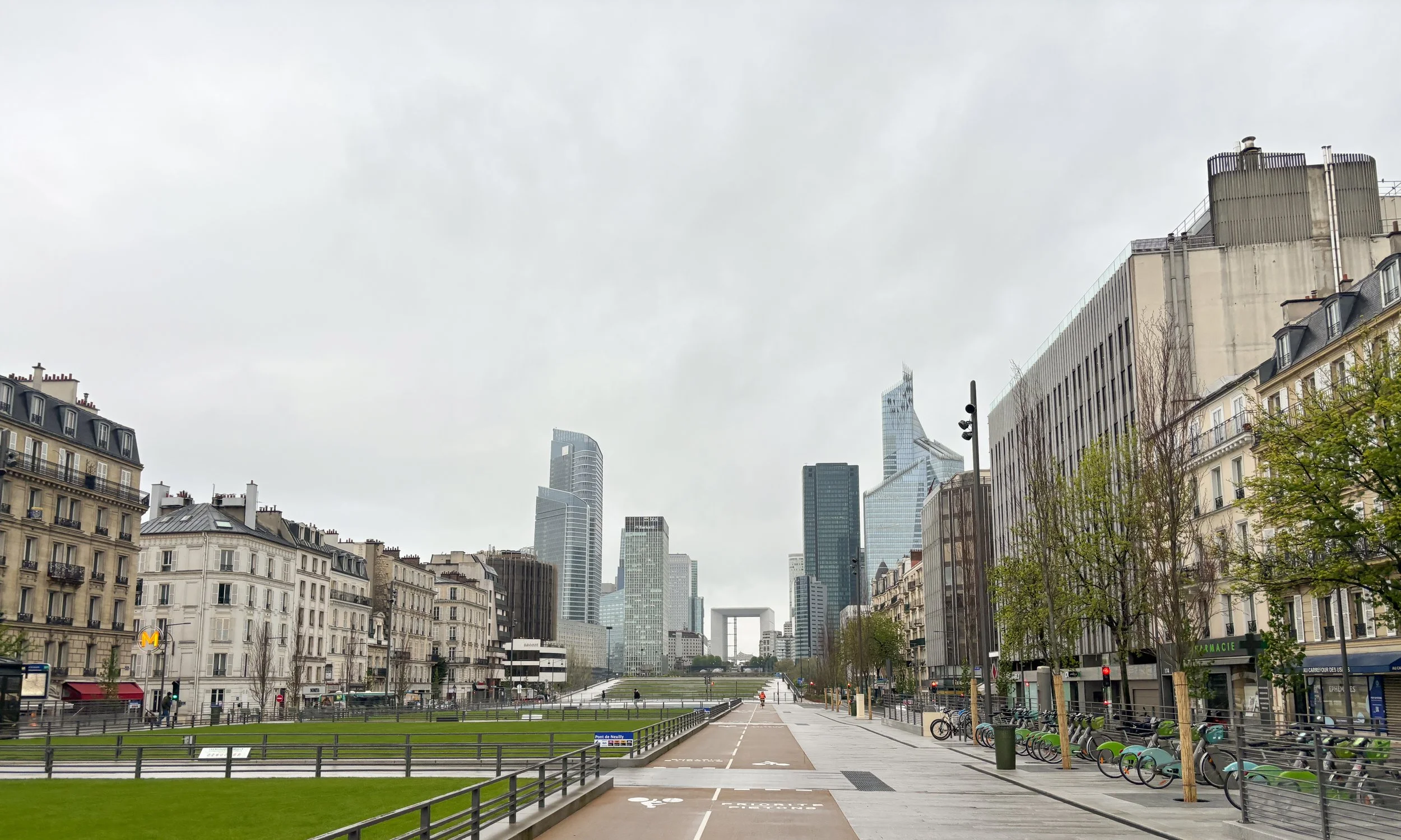
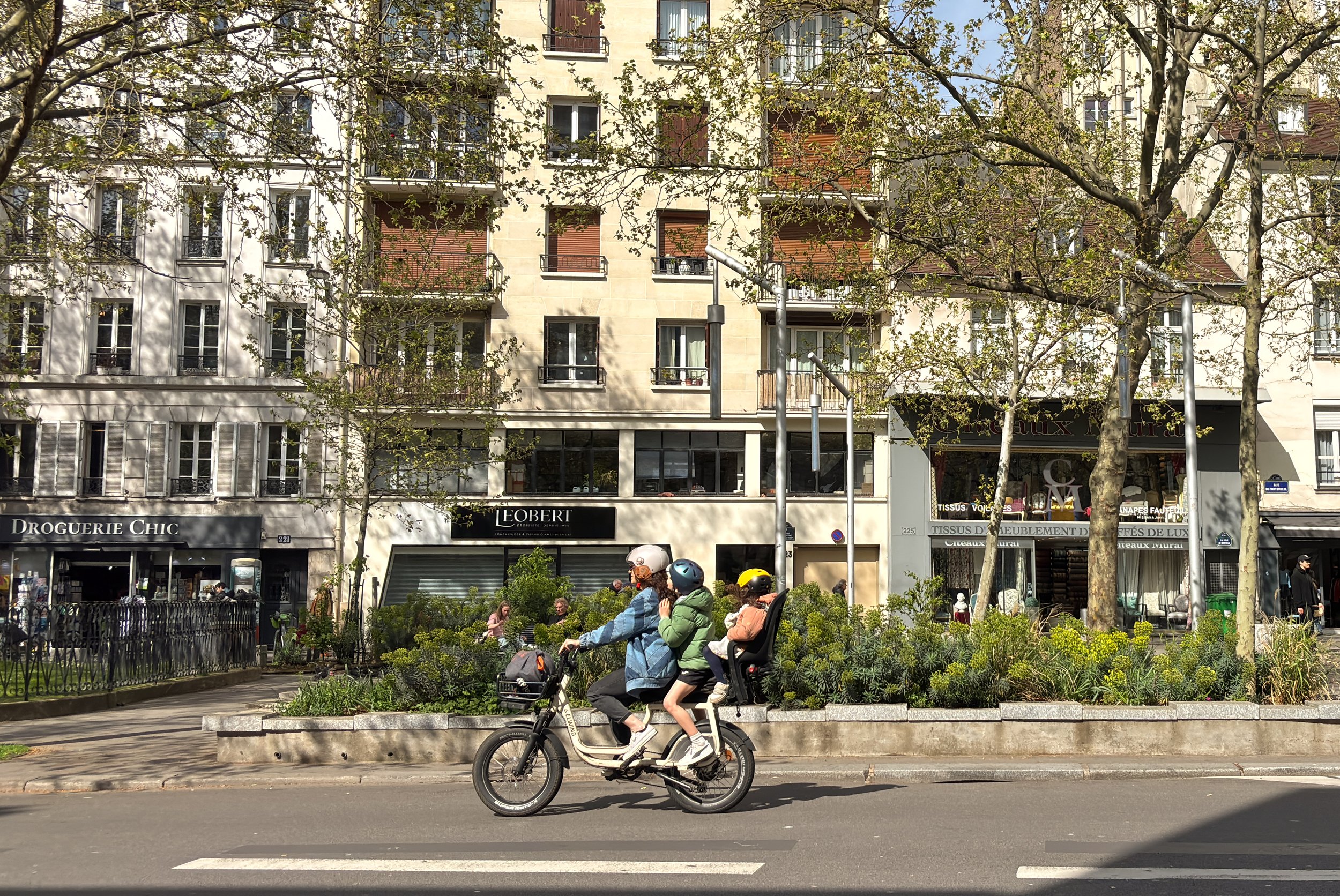
Suddenly, I was grateful to those uncaring baggage handlers, for without them I wouldn’t have witnessed all this. In the next few days, I was to ride for more than 200km in and out of the Périphérique across a city reinvented. Traffic jams of bicycles. Shoals of families riding on e-bikes, kids bundled in the back. Delivery riders cutting through the ebbs and flows of traffic with consummate savoir faire, wearing those Adidas sneakers with SPD cleats that are, to me, the pinnacle of cool. Just a few years ago, on my last visit, cycling in Paris felt like entering the Thunderdome. Now, it was deeply enjoyable.
That didn’t happen by accident. Mayor Hidalgo pushed an active travel agenda for years, often against the wishes of a vocal minority. Spurred by the Olympic boost, this led to building more than 1,000 km of bike lanes, so much so that up to 30% of all trips, today, are made by bike (a sixfold increase since 2019). Beyond the twenty arrondissements, in those satellite towns that are more likely to be the background of a Mathieu Kassovitz film than a Givenchy commercial, four new metro lines were being built as part of the aptly named Grand Paris Express initiative. And the cycle lanes were as good in Créteil as they were in the deuxième.
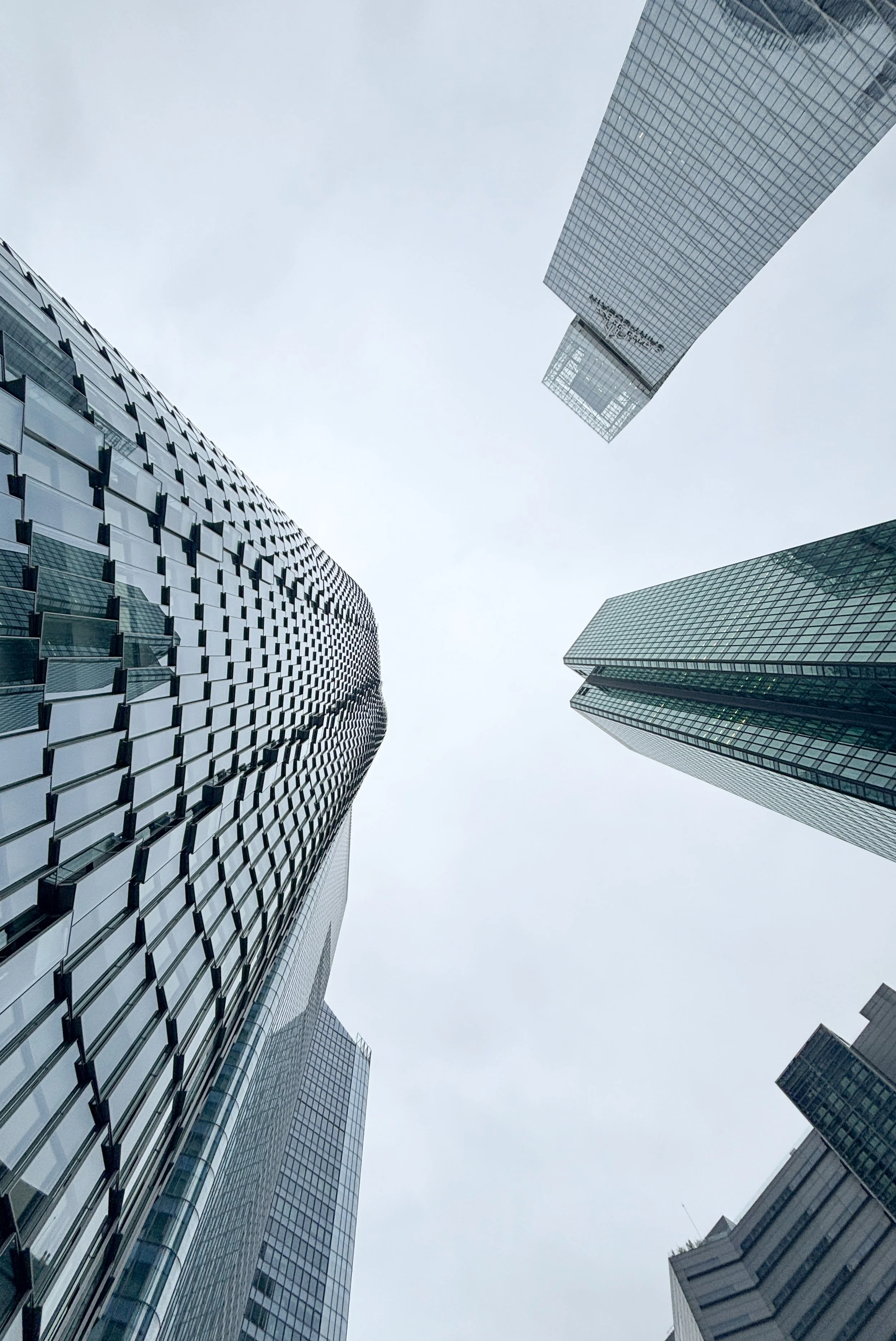
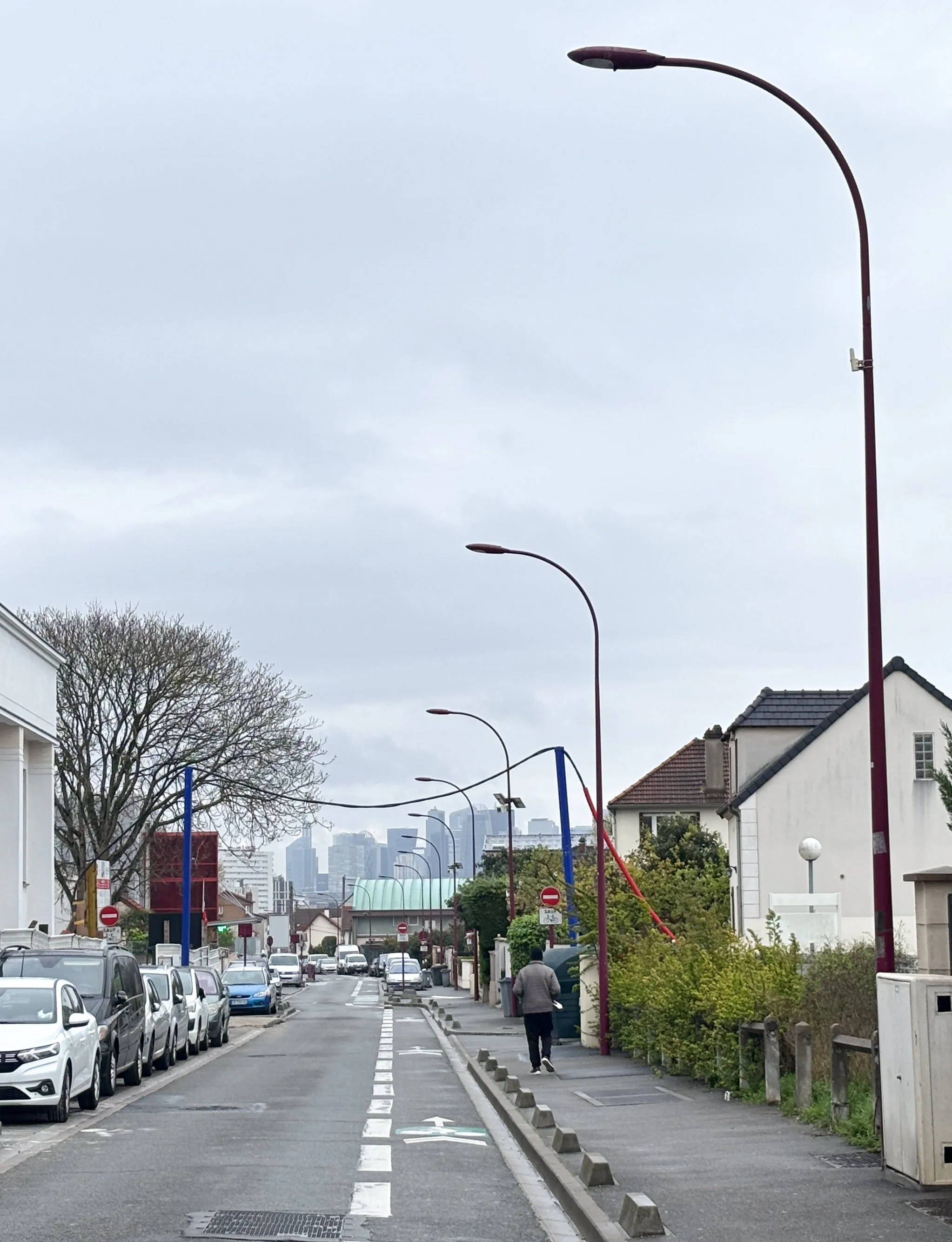
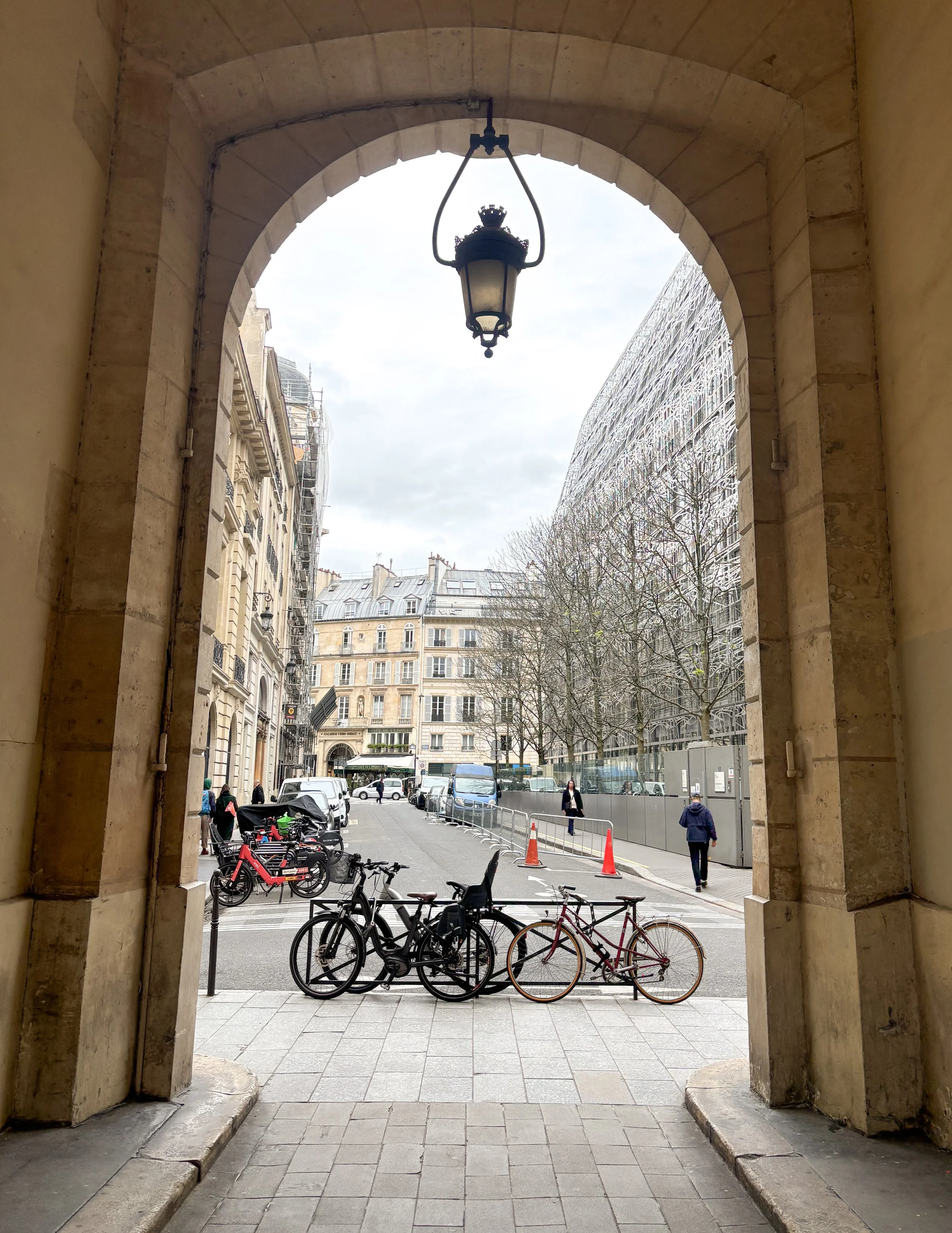
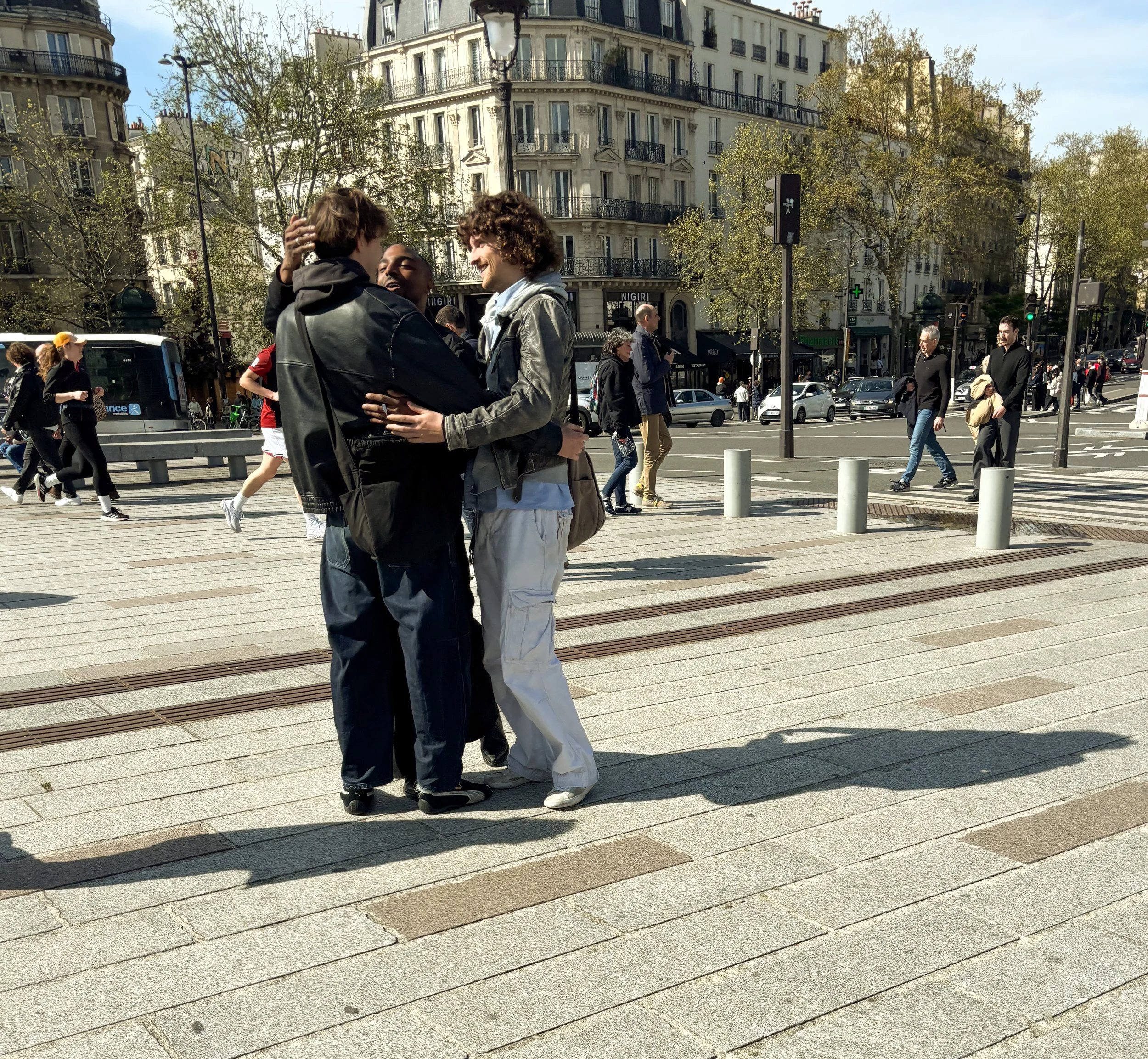
Coming from the UK, where a former Prime Minister bleated complaints of a ‘war on motorists’ while in office, Paris felt like a breath of fresh air. It wasn’t just the boldness of the vision and the drive with which it’d been turned into reality; it was the outcome of it. Riding in the Île-de-France was not only safe; it was also enjoyable. I saw the grandeur of the imperial capital built by Haussmann, the cyberpunk grit of La Défense on a rainy Saturday morning and the dichotomy of the suburbs divided, as if by an invisible hand, between tower blocs and marzipan houses.
Independent shops, wiped out in London by Amazon and taxes, still existed here: from florists to the omnipresent bar-tabac, they seemed to be doing alright, to say nothing of the omnipresent bakeries. From the Marais to the Val-de-Marne banlieues they dished out an irresistible array of fresh bread, its perfume wafting in the air like the finest cologne. I once crossed paths with a fellow cyclist carrying a bunch of artichokes from the market and eating a jambon-beurre baguette.
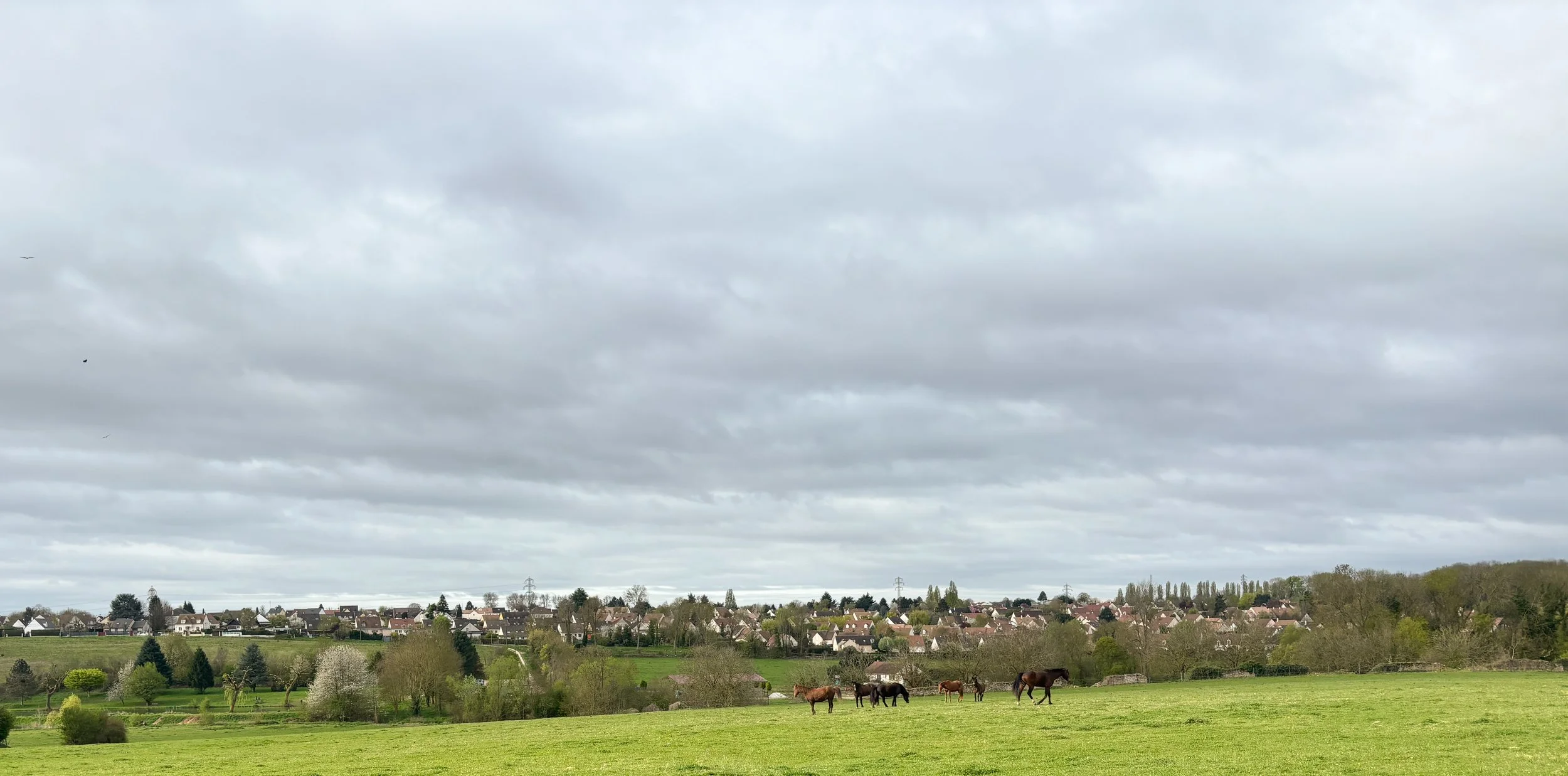
At some point along my peregrinations, it occurred to me that Carlos Moreno, the Colombian-born urbanist who coined the idea of the 15-minute city, is a professor at the Sorbonne. In his original conception, cities ought to be designed so that all their residents are able to satisfy their daily needs – housing, work, food or health – with a 15-minute walk or bike ride. Moreno’s ville du quart d’heure idea was coined as a counterpoint to the type of urban development, so common in America, centred around single-use zoning, motorways and suburbia, food deserts and shopping malls.
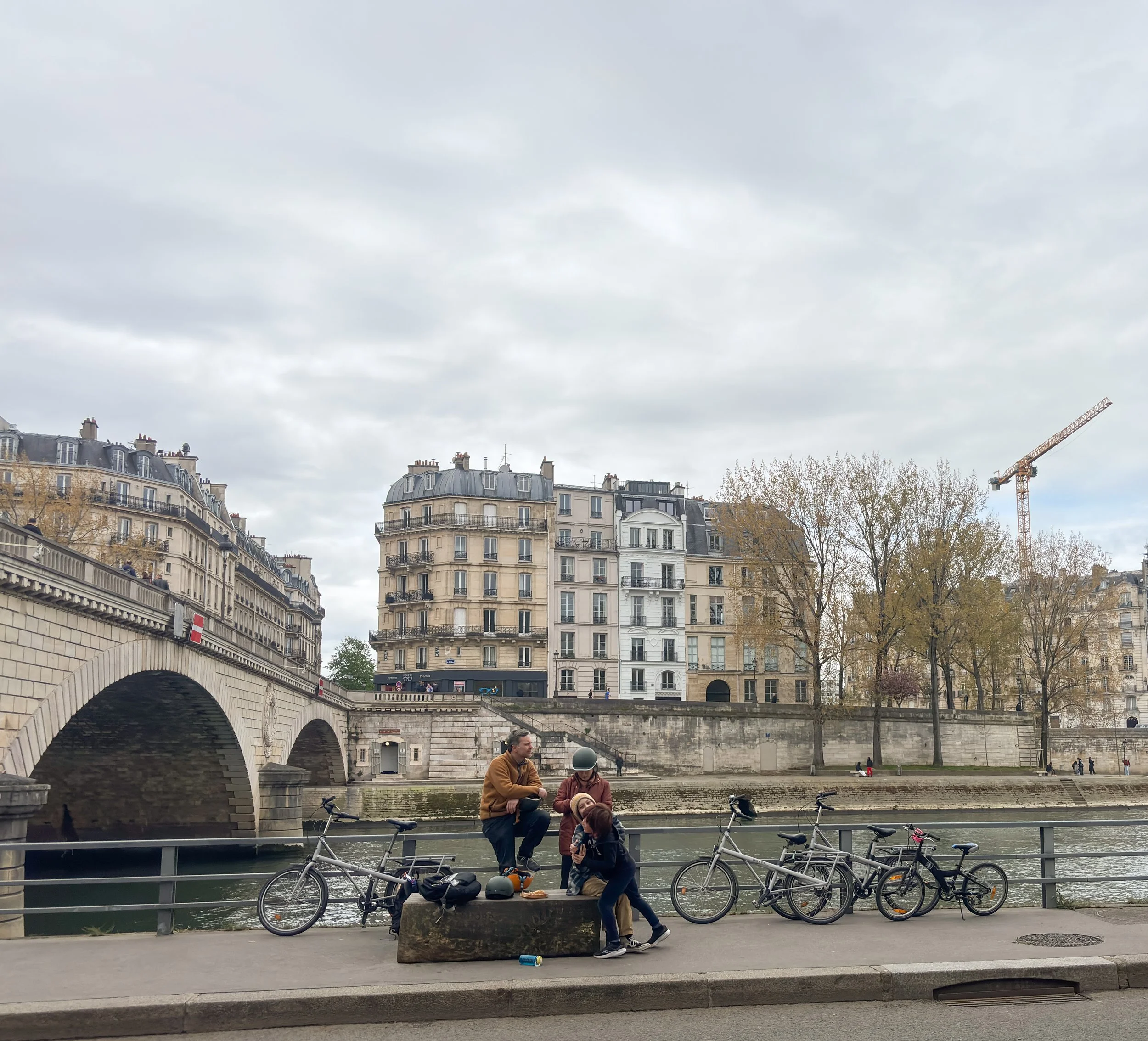
Was Paris perfect? Far from it. There were men and women living in tents under the Bercy railway arches. A dichotomy of wealth and inequality still bisected the region, no matter how grandiose the mass transit projects underway.
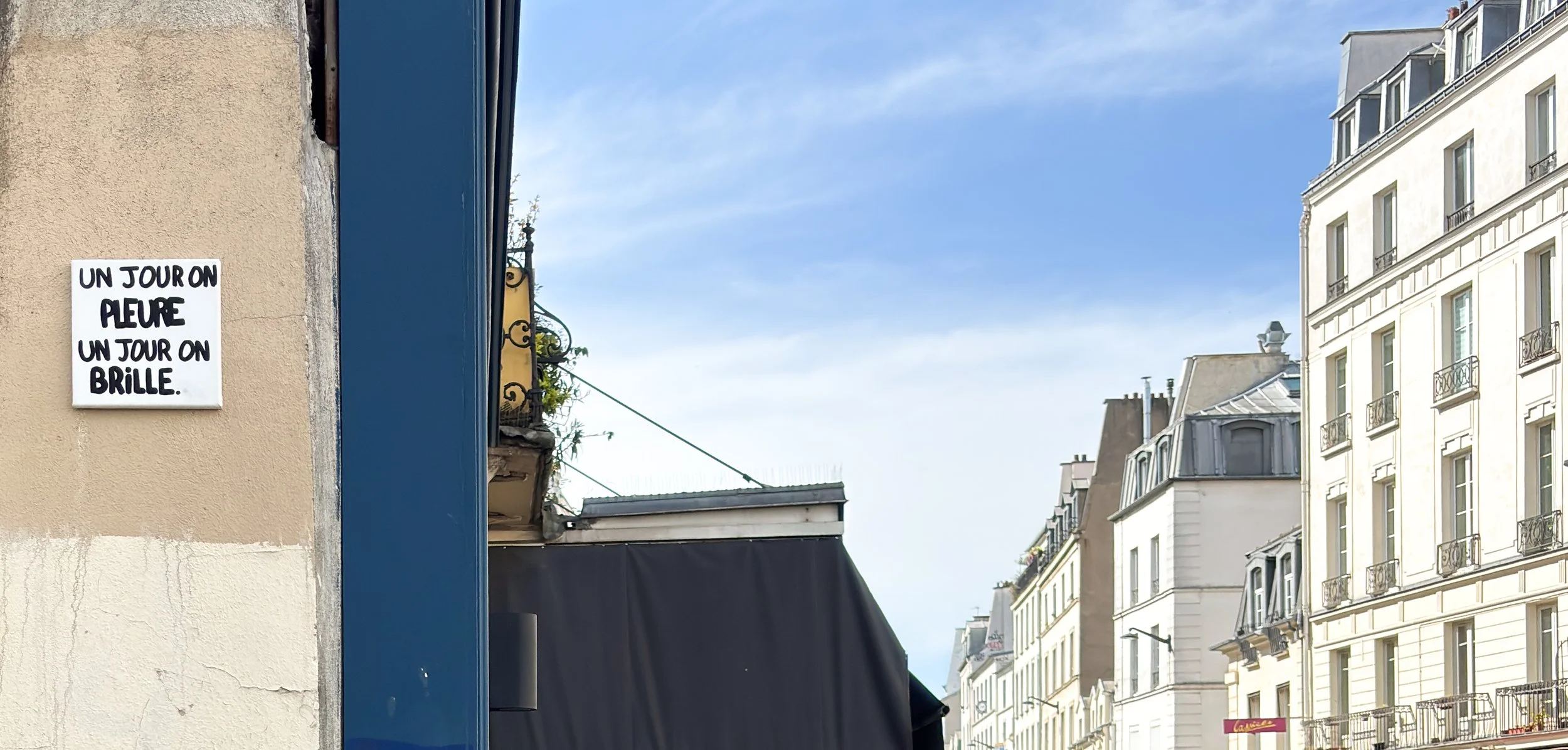
But there was an air of progress, a sense of forward momentum, a vision for a different way forwards. And, as a homemade sign in the working-class district of Saint-Denis said, the problem isn’t building bike lanes or limiting space for SUVs. Le problème du peuple c’est les milliardaires.