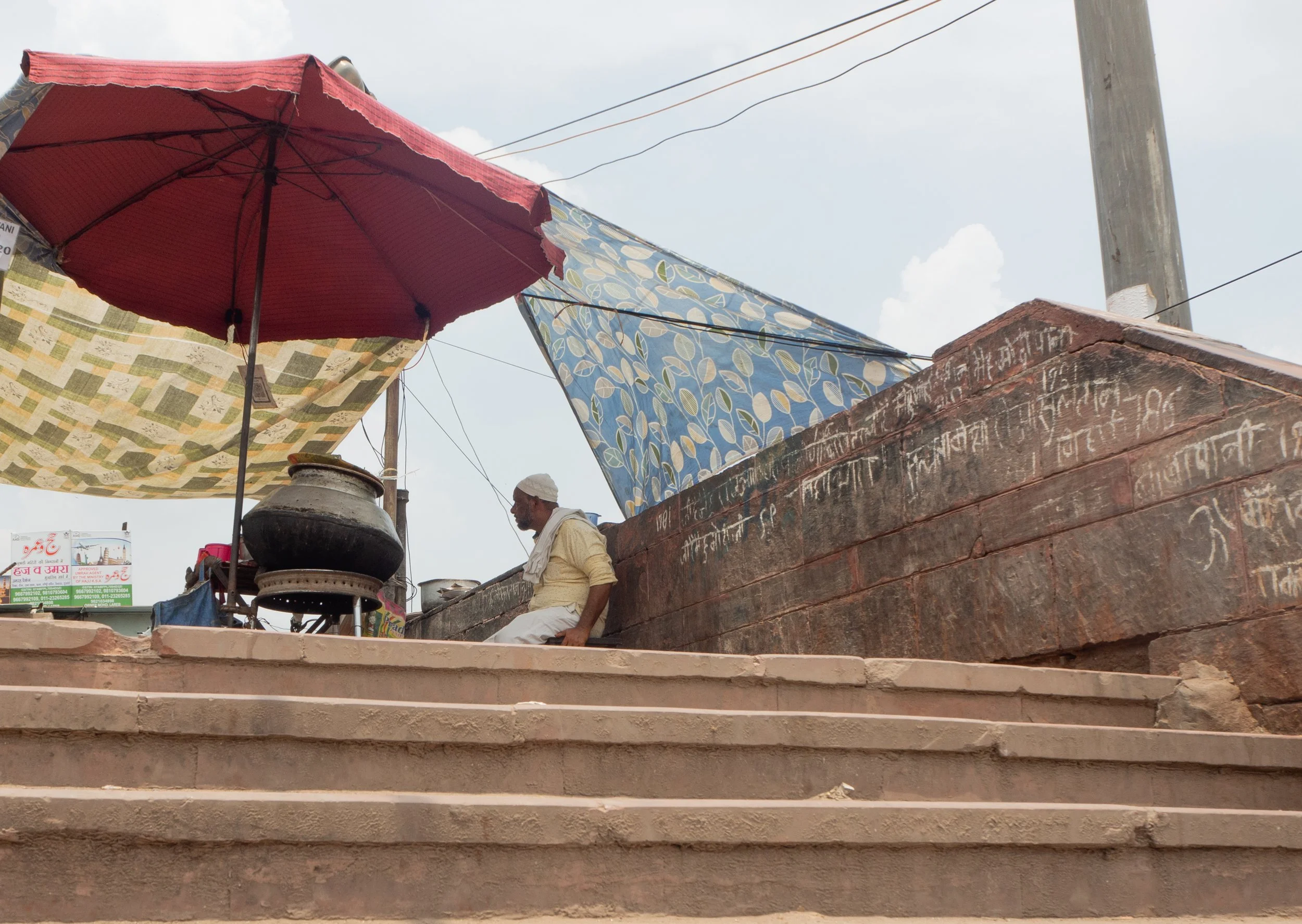
Greatness in the making.
Monsoon season. Through the pollution haze I see enormous clouds looming, trailing long nets of rain. A few, fat drops of rain would splatter on the ground, scattering shrapnel of water across the dust; then the onslaught commences.
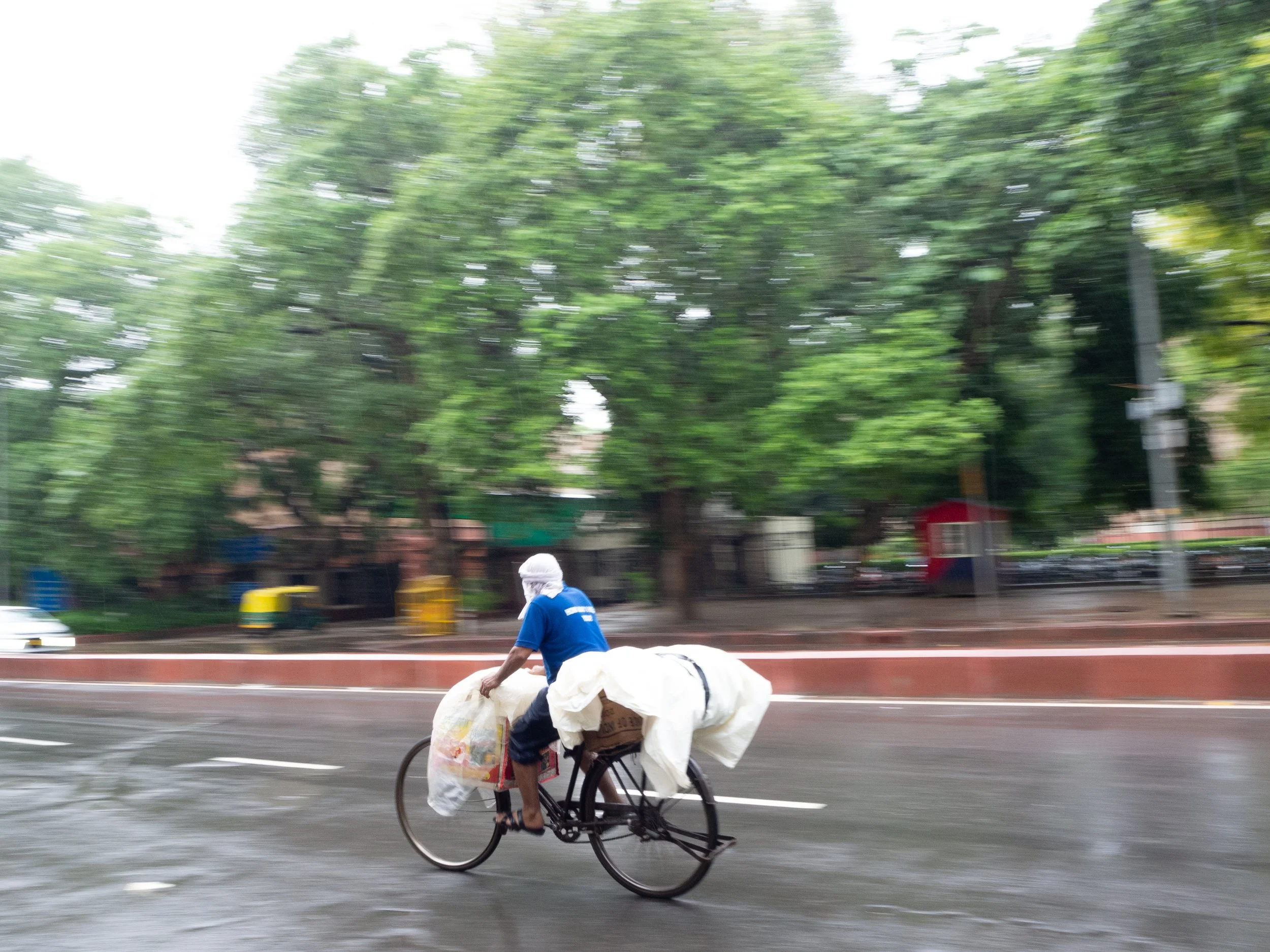
Moped riders abandon their rides, seeking refuge under bus shelter. Shoulder to shoulder with commuters they’d gawk at the turbid torrent of water flowing where, moments earlier, their Royal Enfields were puttering on the way to work. Then, as soon as the clouds roll on, the heat would climb up towards the high 30s Celsius while humidity never ventured under 60%.
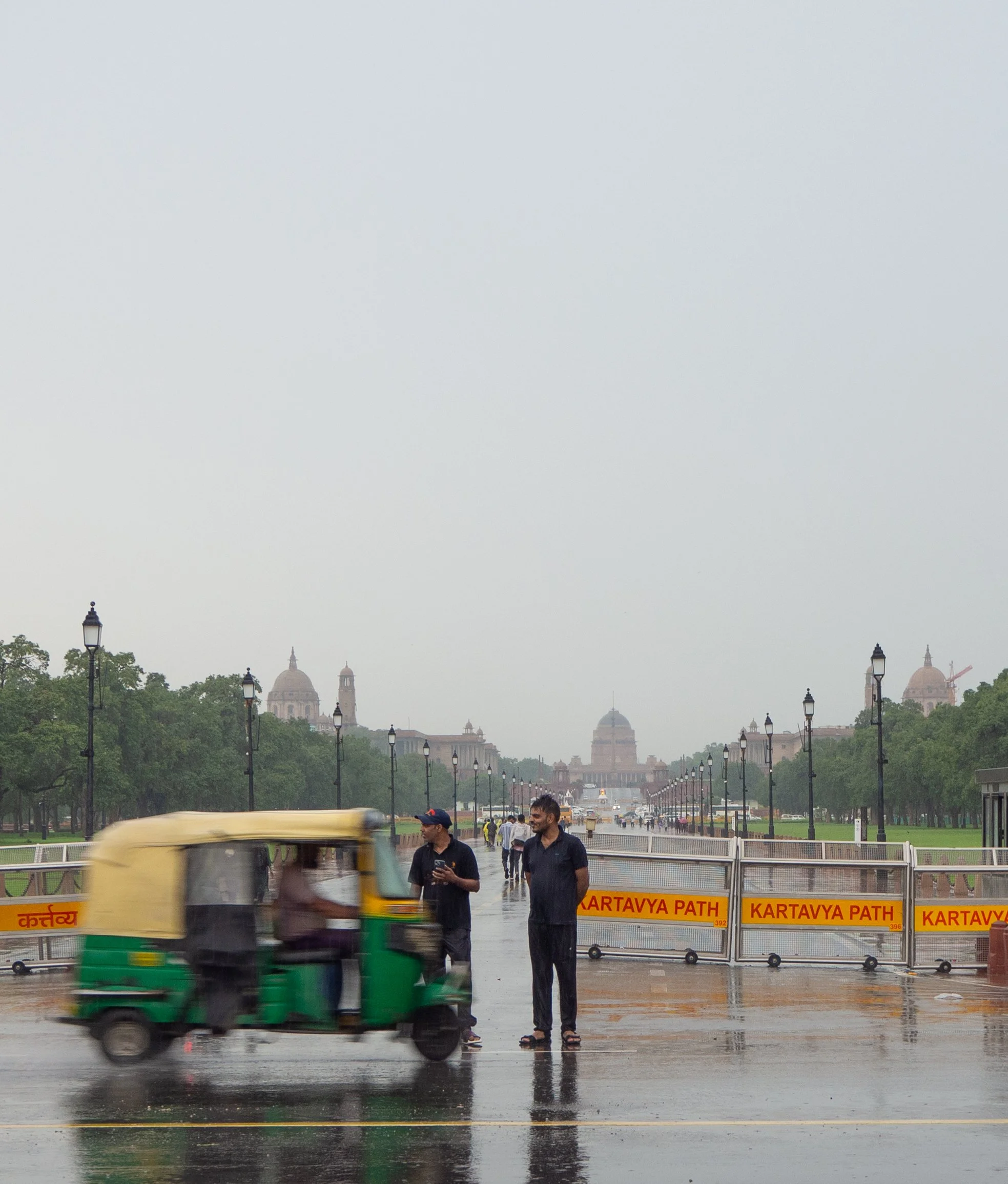
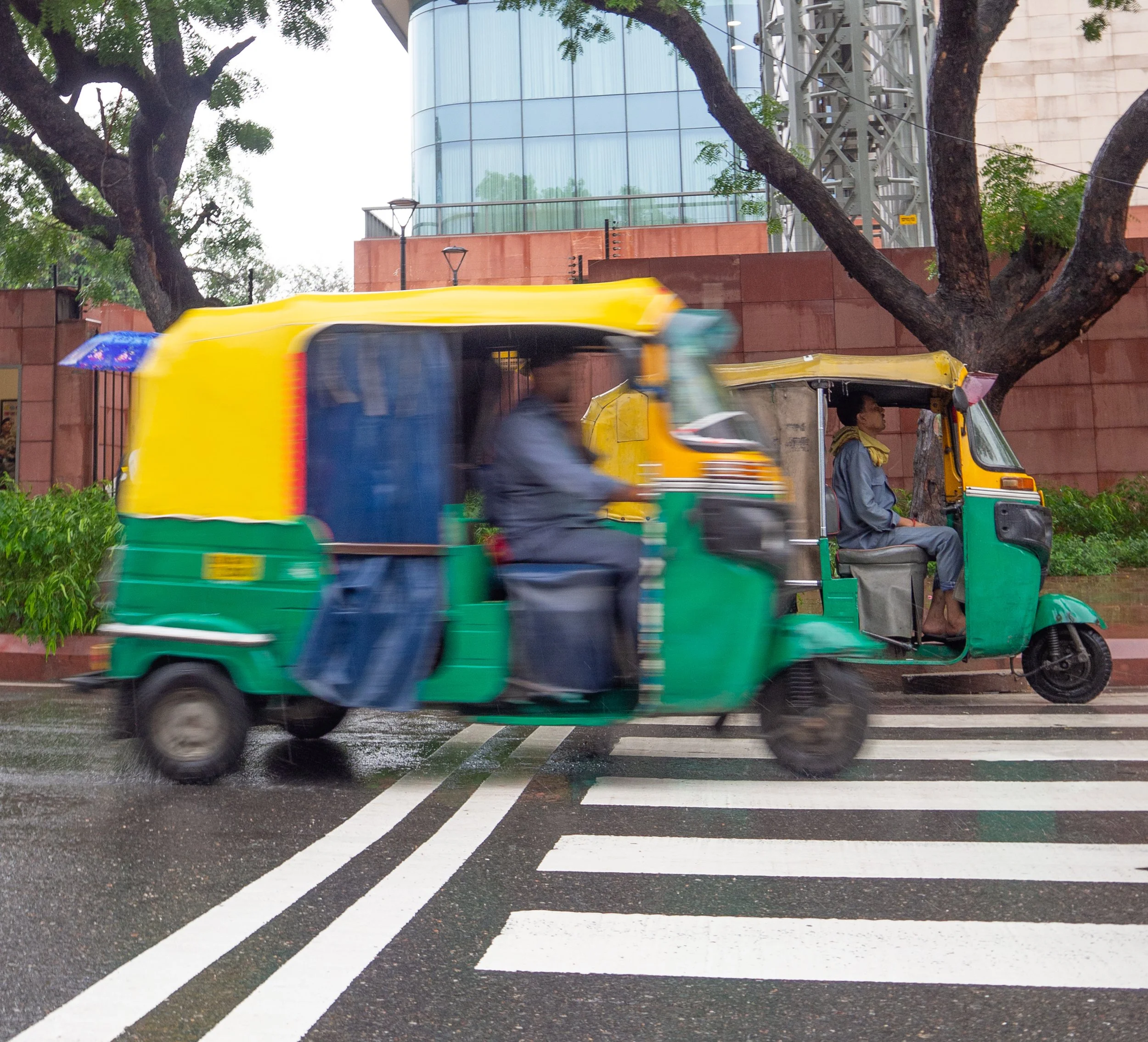
The weather feels Venusian. Traffic has all the rules of a demolition derby. The metro, often times, offers a glaring example of why officials coined the term “super dense crush load” when “rush hour” just wouldn’t cut it. A lungful of air in the bazaar smells like Marlboro Red passive smoke.
Despite all that, Delhi feels like a high that never subsides. I return to my hotel after a lunch with friends or a walk in the heat covered in dust, drenched in sweat but always amped up, boosted by the sheer exuberance of life on display in this enormous megalopolis.
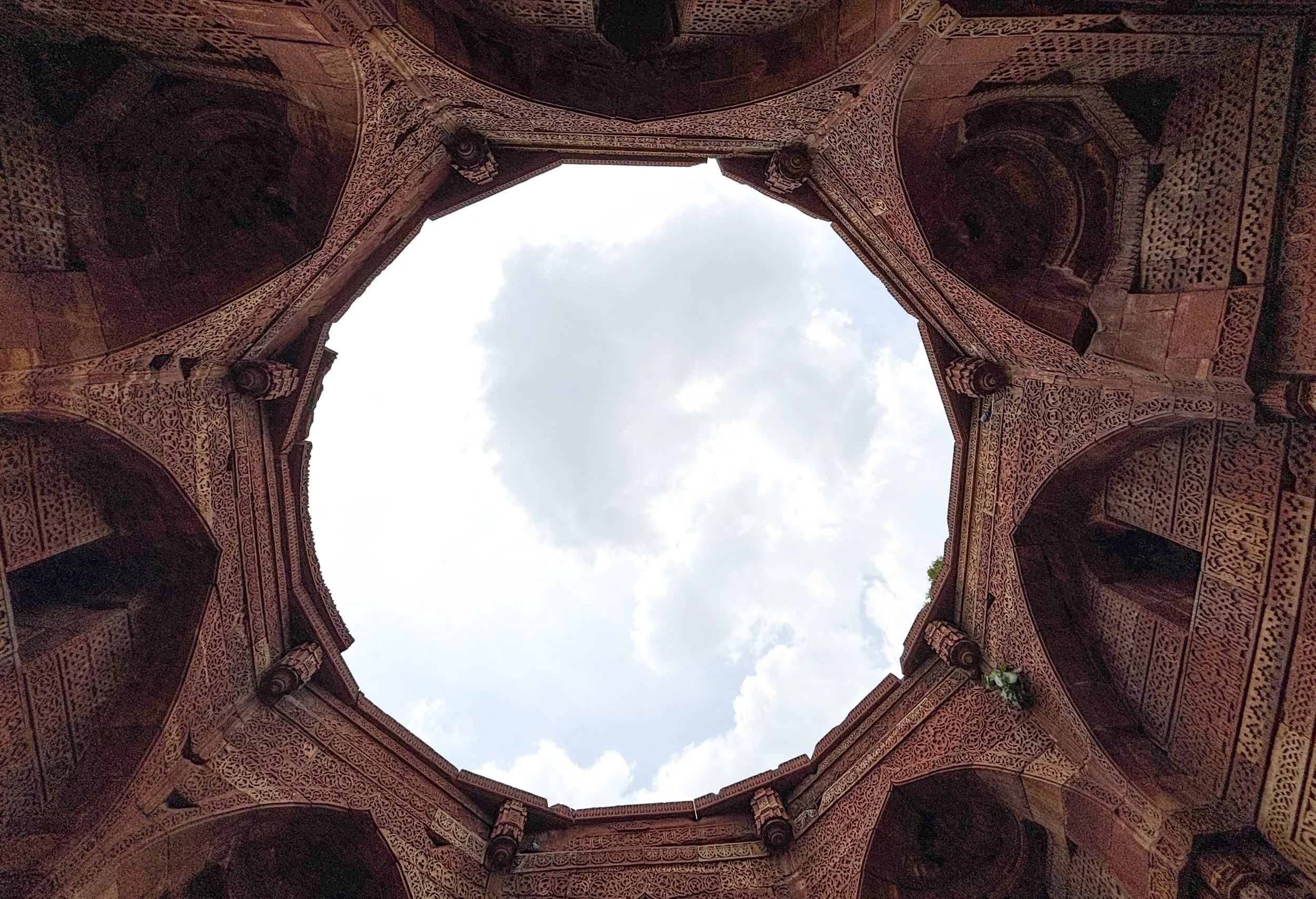
The swirling centre of this galaxy of entropy is, without a shadow of a doubt, Chandni Chowk. Satellite pictures show a glut of grey roofs clumped between railway tracks and the ramparts of the Red Fort, a labyrinth of roads alleys and corridors where orientation is an exercise in futility. Or, at least, that was my impression the first time I got there. No point in using your phone. Just eyeball one of the minarets of Jama Masjid, I thought, and aim in that direction.
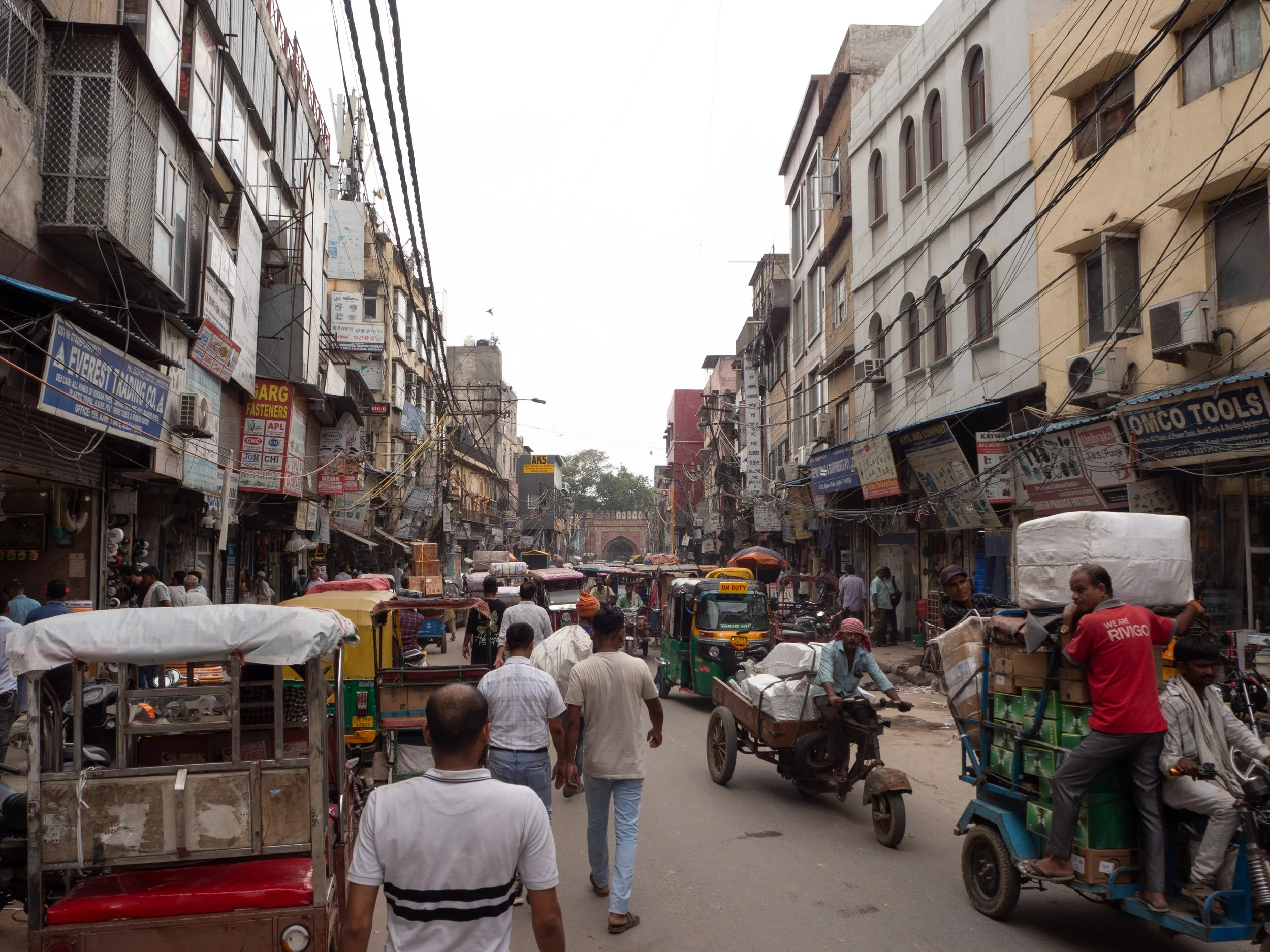
The air isn’t just thick. It’s dense, like breathing custard cream. Dense with exhaust fumes of legions of mopeds (in local parlance, two-wheelers), tuk-tuk (auto-rickshaws, or autos if you’re in a hurry) and the effluents of generators, open flames, cigarettes, vapes and dust from untold sources. You catch wafts of incense, something being fried, the trail of cologne from a dapper man and the stench of urine from a dingy corner. But you don’t dwell on any of that, you can’t dwell on any of that. There’s so much to process that it feels like the whole bazaar is launching a DDoS attack on your brain.
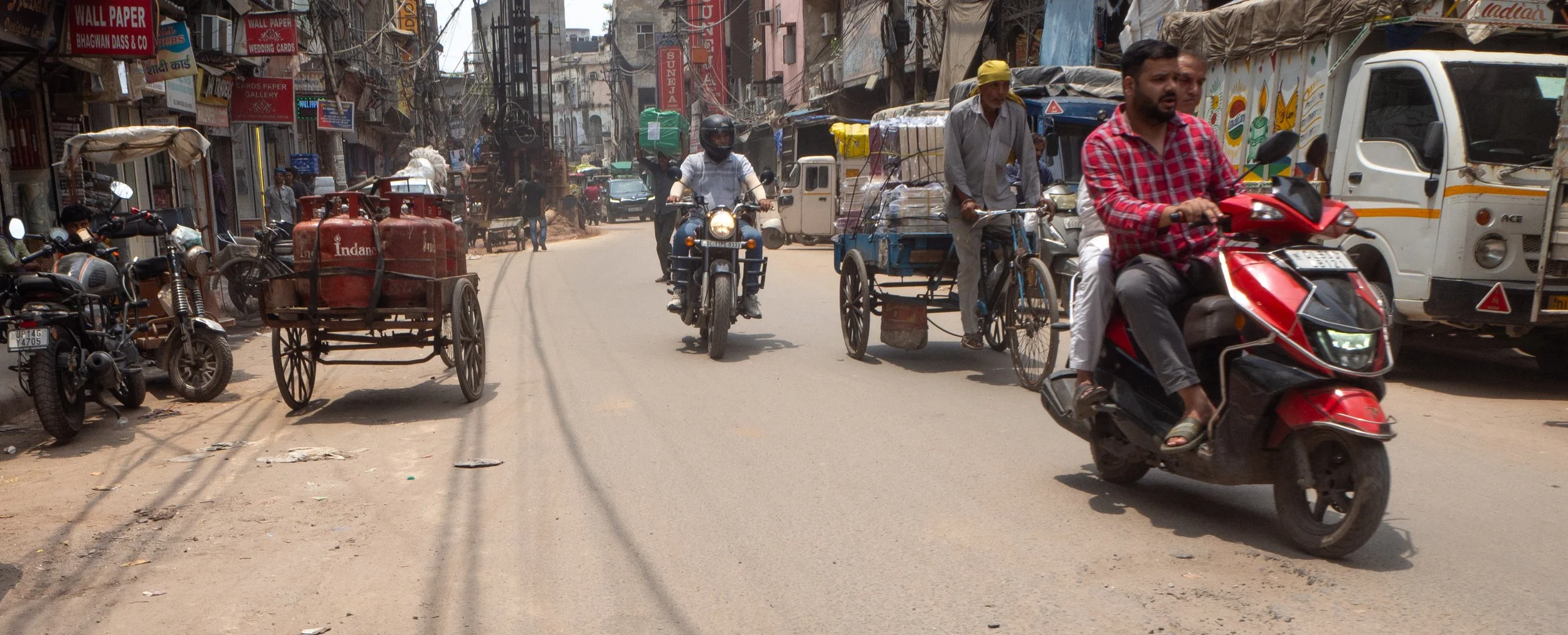
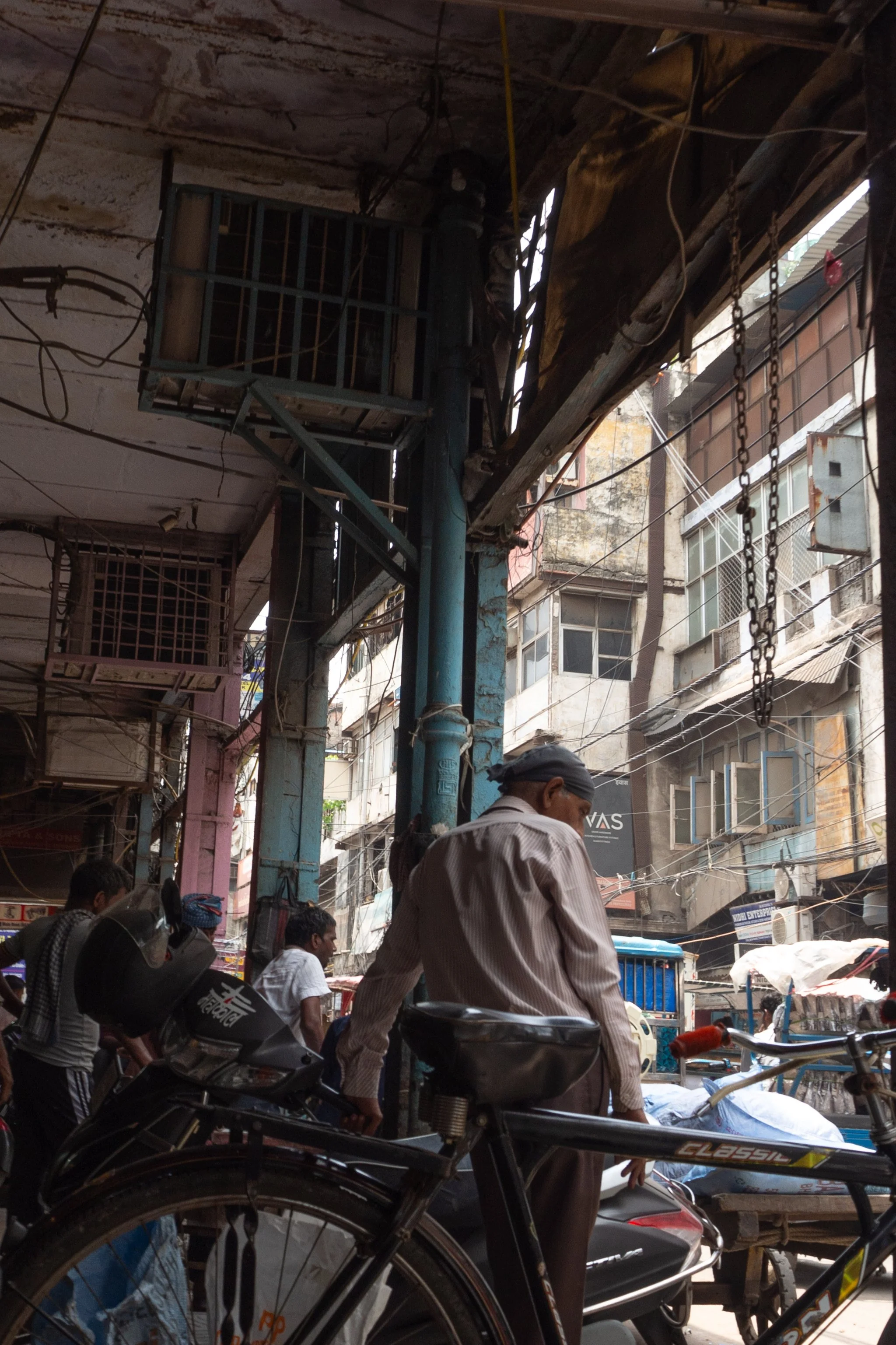
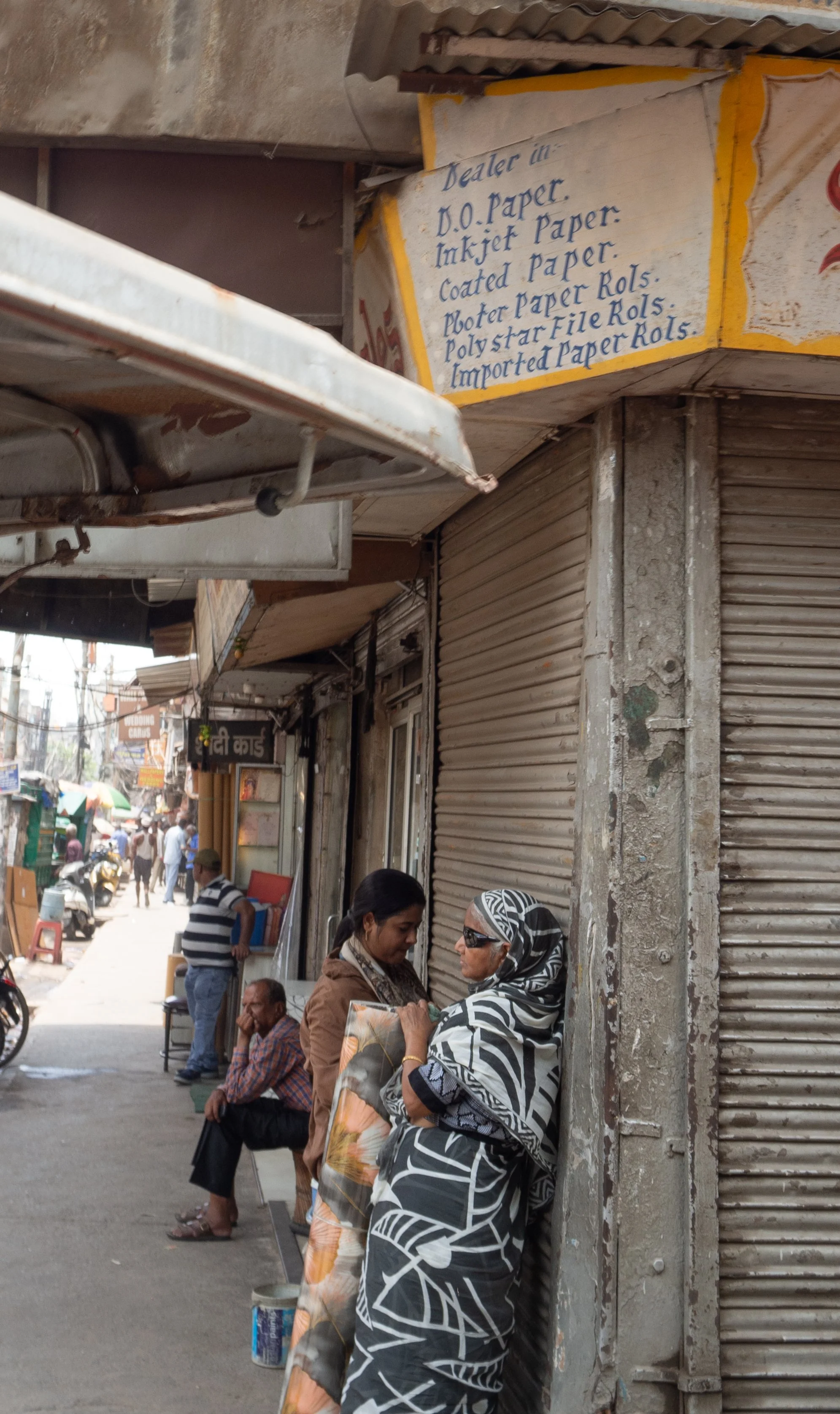
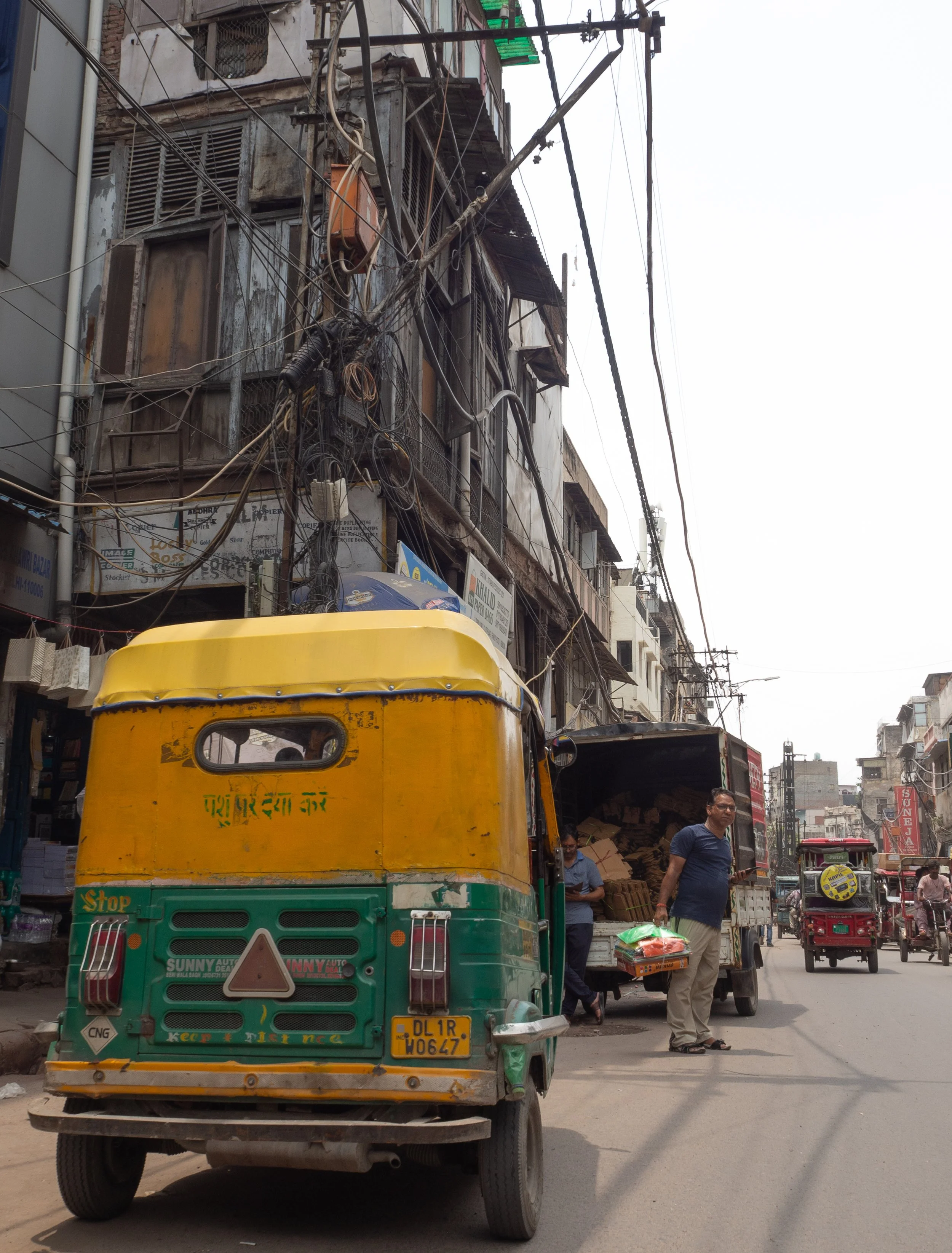
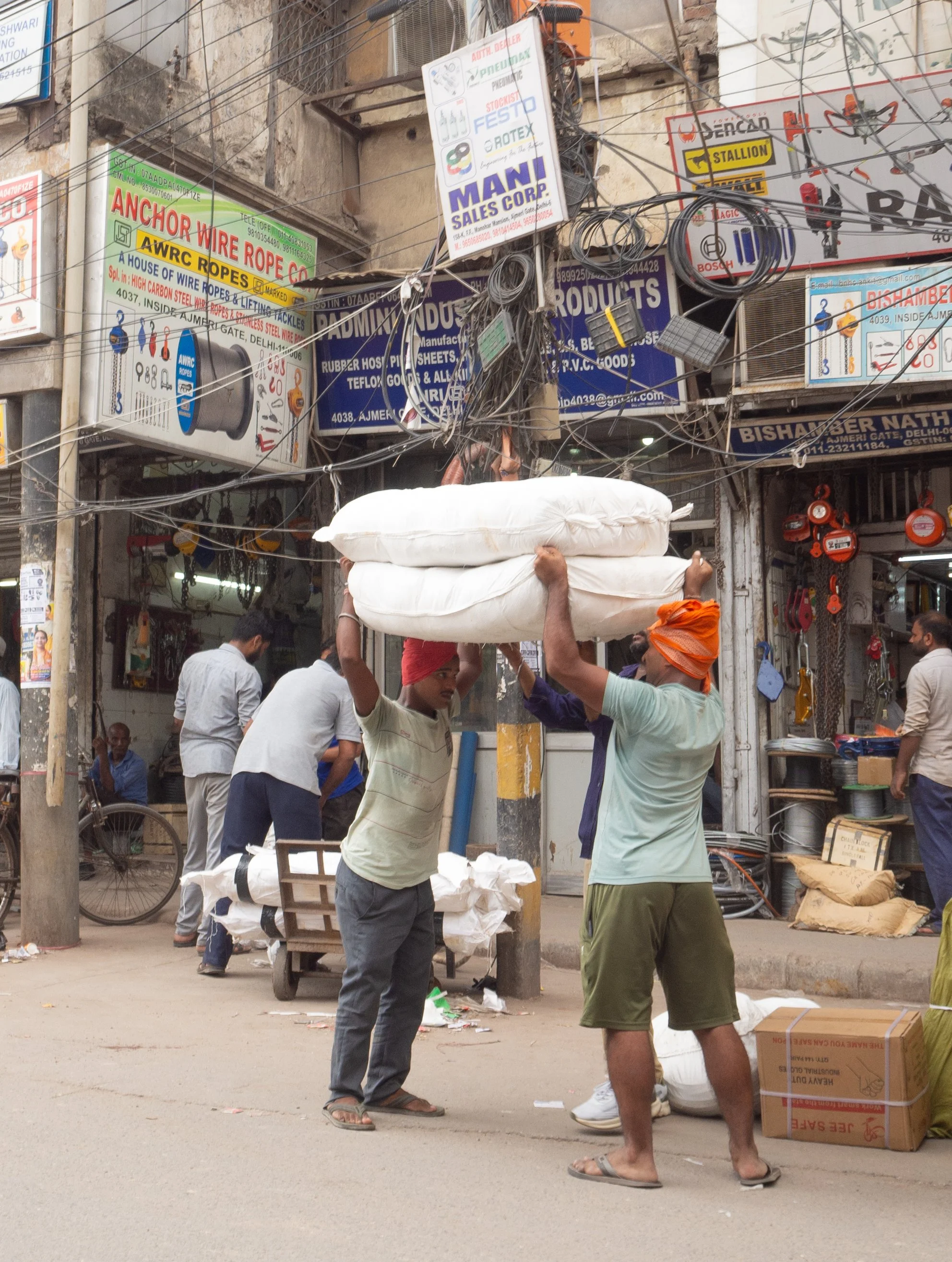
A cacophony of voices fills the street. Shouted in dozens of phones, carried through radios and wireless speakers, or emitted old-school by throats and vocal cords. The place echoes with them, surfing above the incessant beeps of hundreds of horns. I guess this was how Joan of Arc’s mind must’ve felt like.
This isn’t a place where to dwell or stop. To linger, in Chandni Chowk, is unnatural: no one, here, is idle. The bazaar is a machine of perpetual motion, a man-sized anthill on the move.
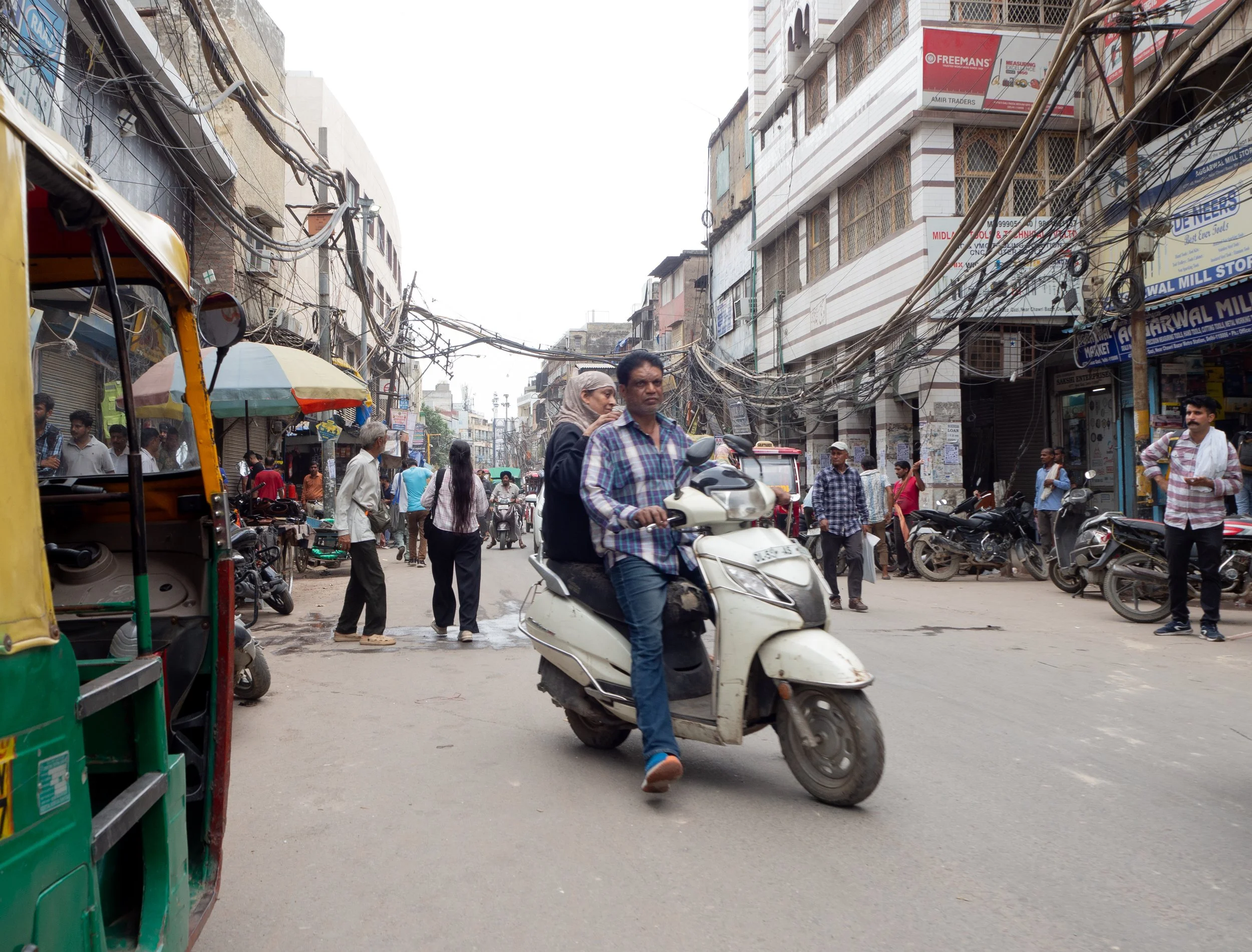
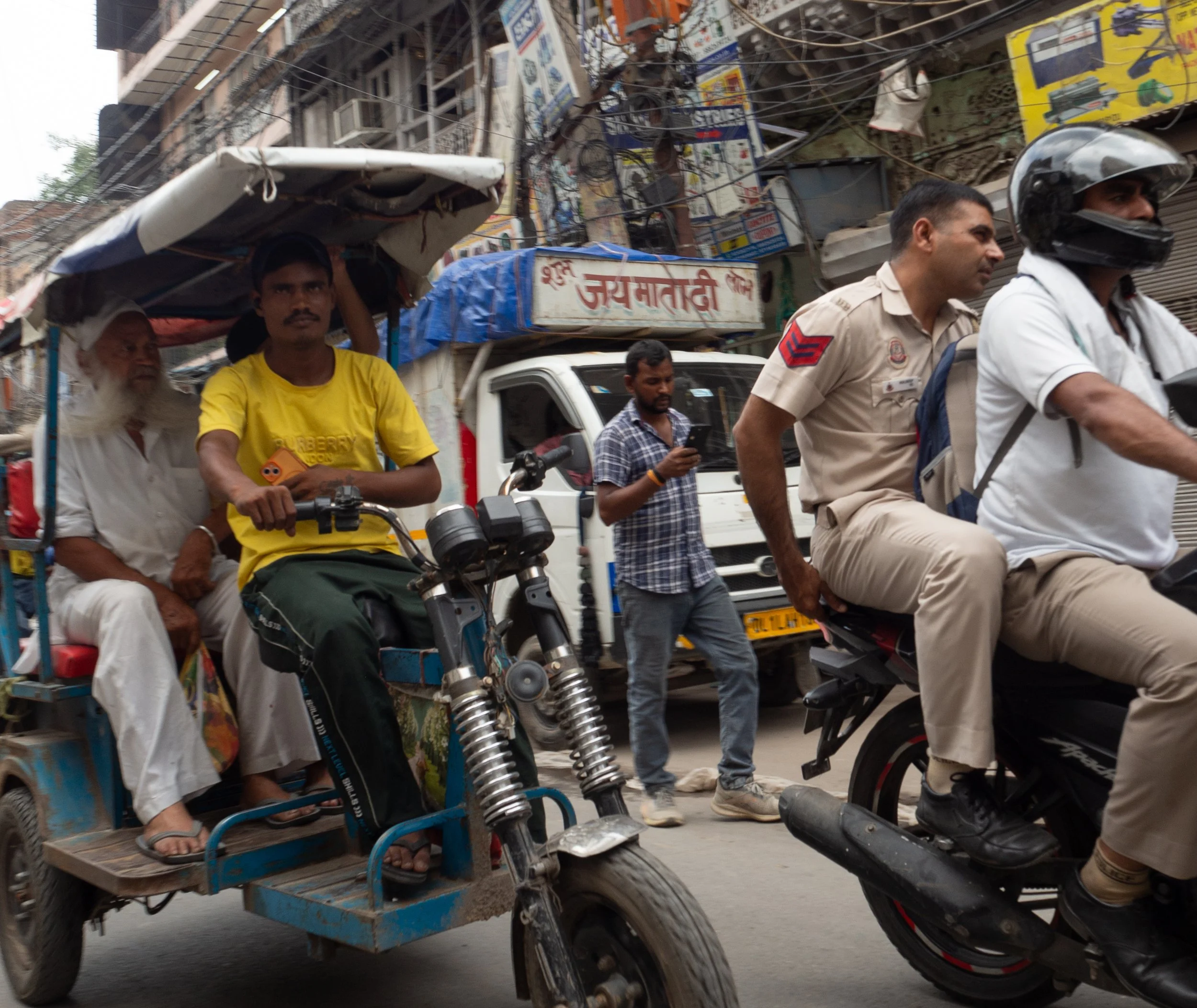
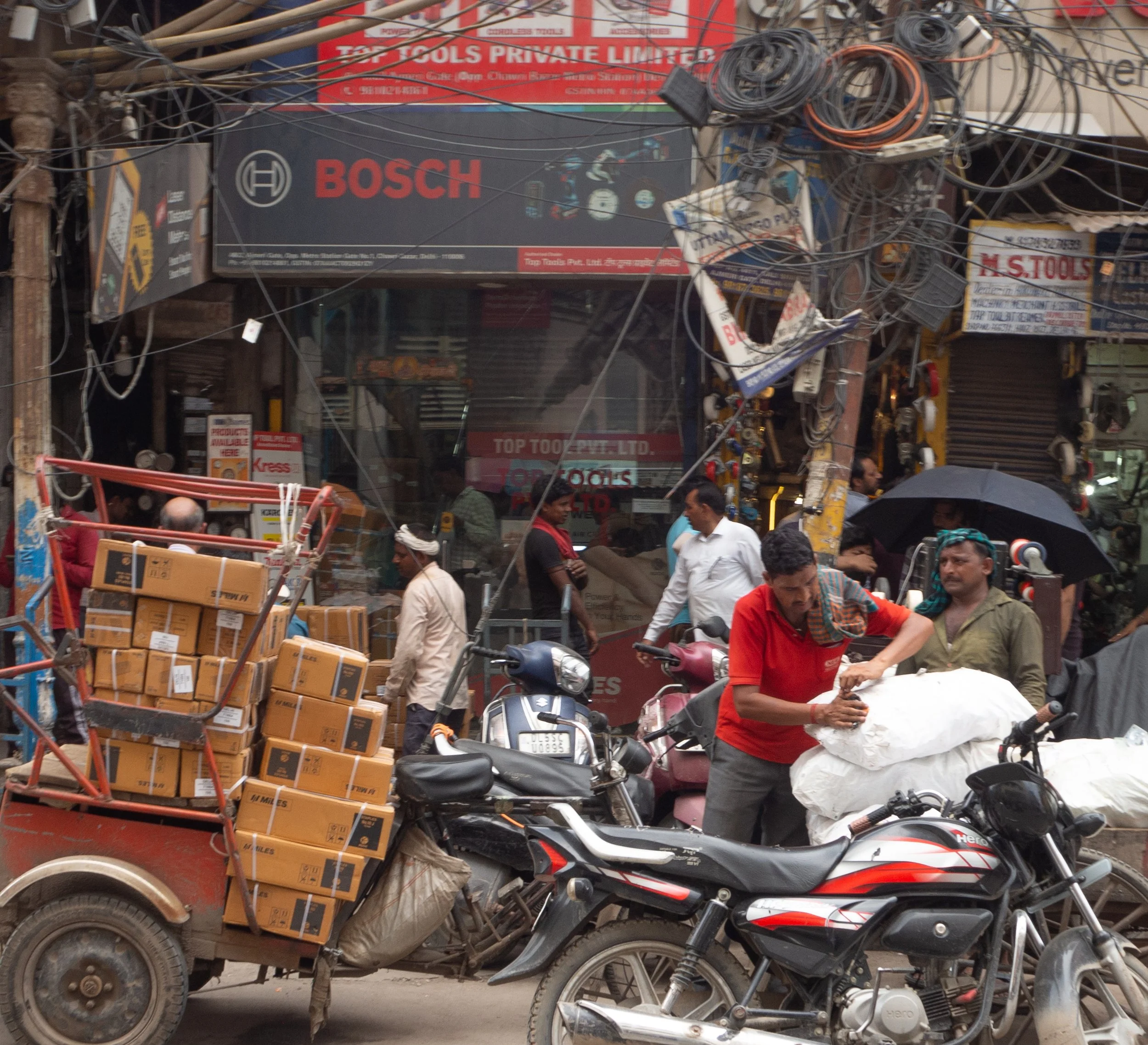
At some point in that maze, I had a mild epiphany: this is what I loved most of Delhi: its grit, its tenacity, its incessant pursuit of something. Chandni Chowk was the bleeding edge of a booming megalopolis at the heart of a booming country.
I was glad to be there, to witness Delhi in this moment in time. However sweaty, dusty and discombobulated by the incessant hubbub, I had a ringside seat to the spectacle of a world city in the making, of a rising power. Every big city we flock to – London, Paris, Shanghai or Tokyo, take your pick – was like this not long ago. Before they’d become manicured, solid, gentrified, all those cities were like Chandni Chowk. Dusty, dirty, unkept, festooned with lianas of electric cables but alive. Busy with traffic, entrepreneurs, commerce. Fortunes being made and squandered, family names being etched into the fabric of the city and tossed into the ground. Wooden carts and companies nailing an orbital rocket launch on their first attempt.
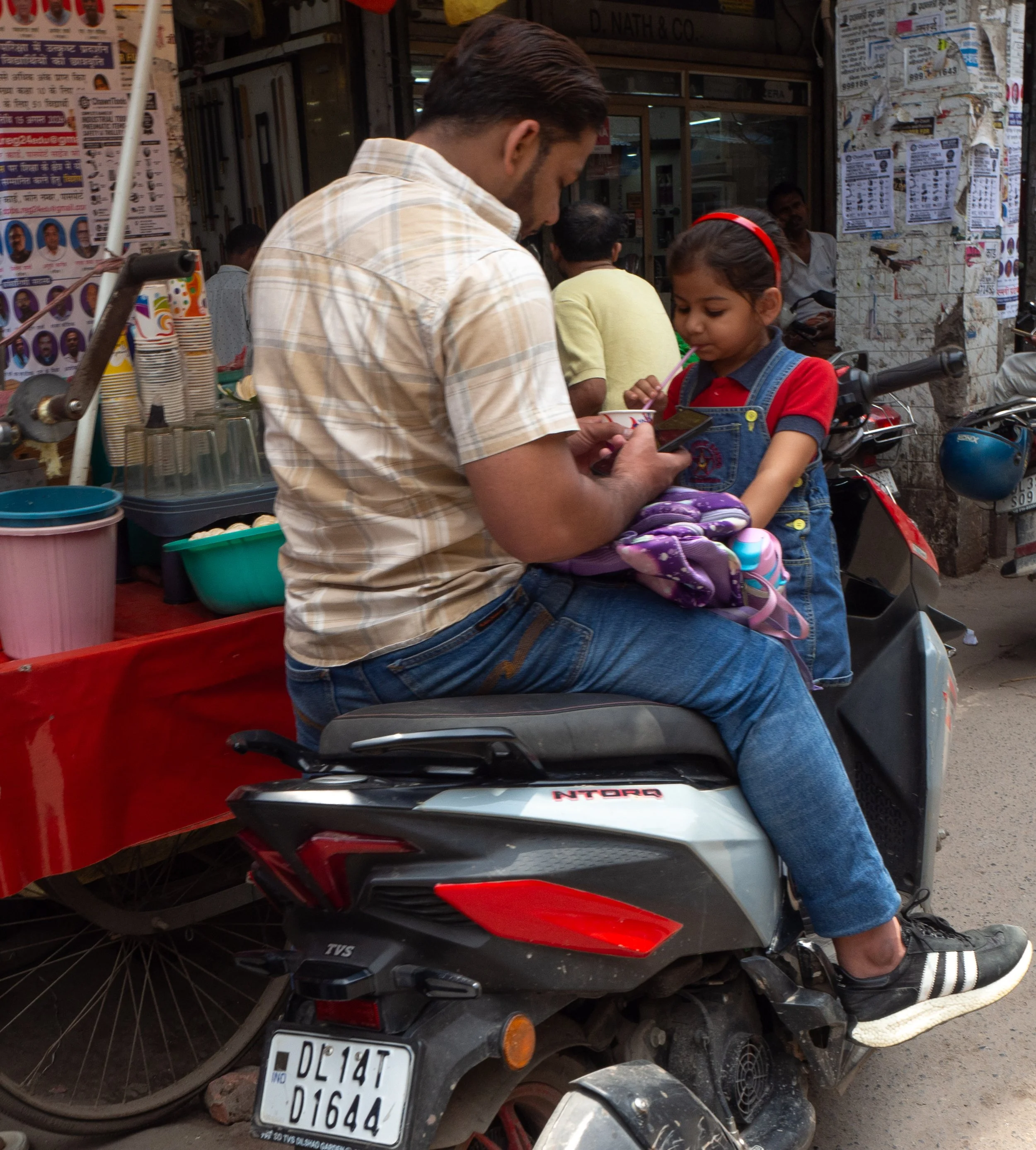
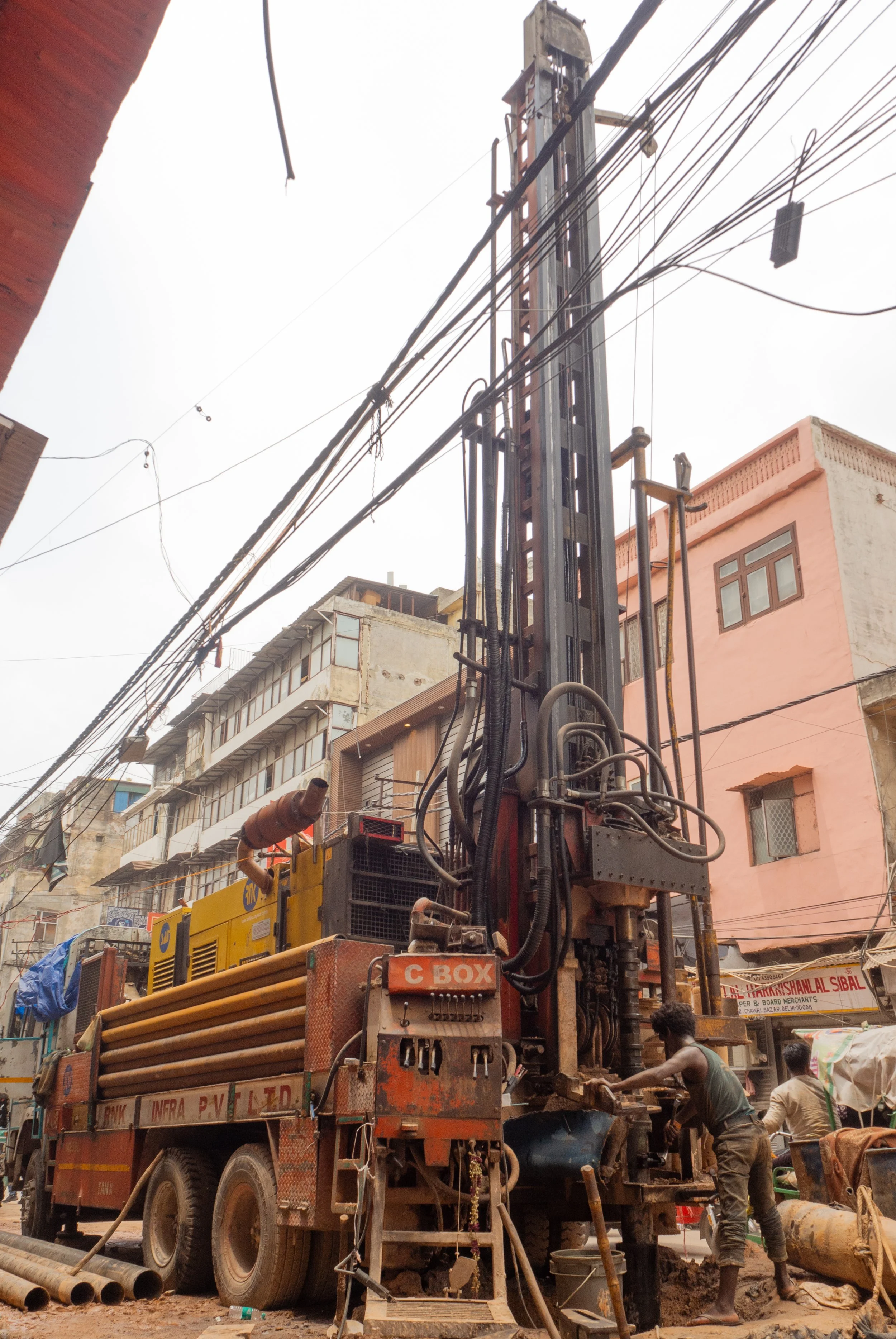
I leave India with an odd sense of optimism. Much is being said about this country: politics, economics, demographics, climate, the risk of conflict with its neighbours. Inter-ethnic relationships, Hindu nationalism, whether Modi has stayed in power a bit too long, the lack of opportunities for youth in a country that is, still, remarkably young. But you won’t find any of it here, because it’d add nothing.
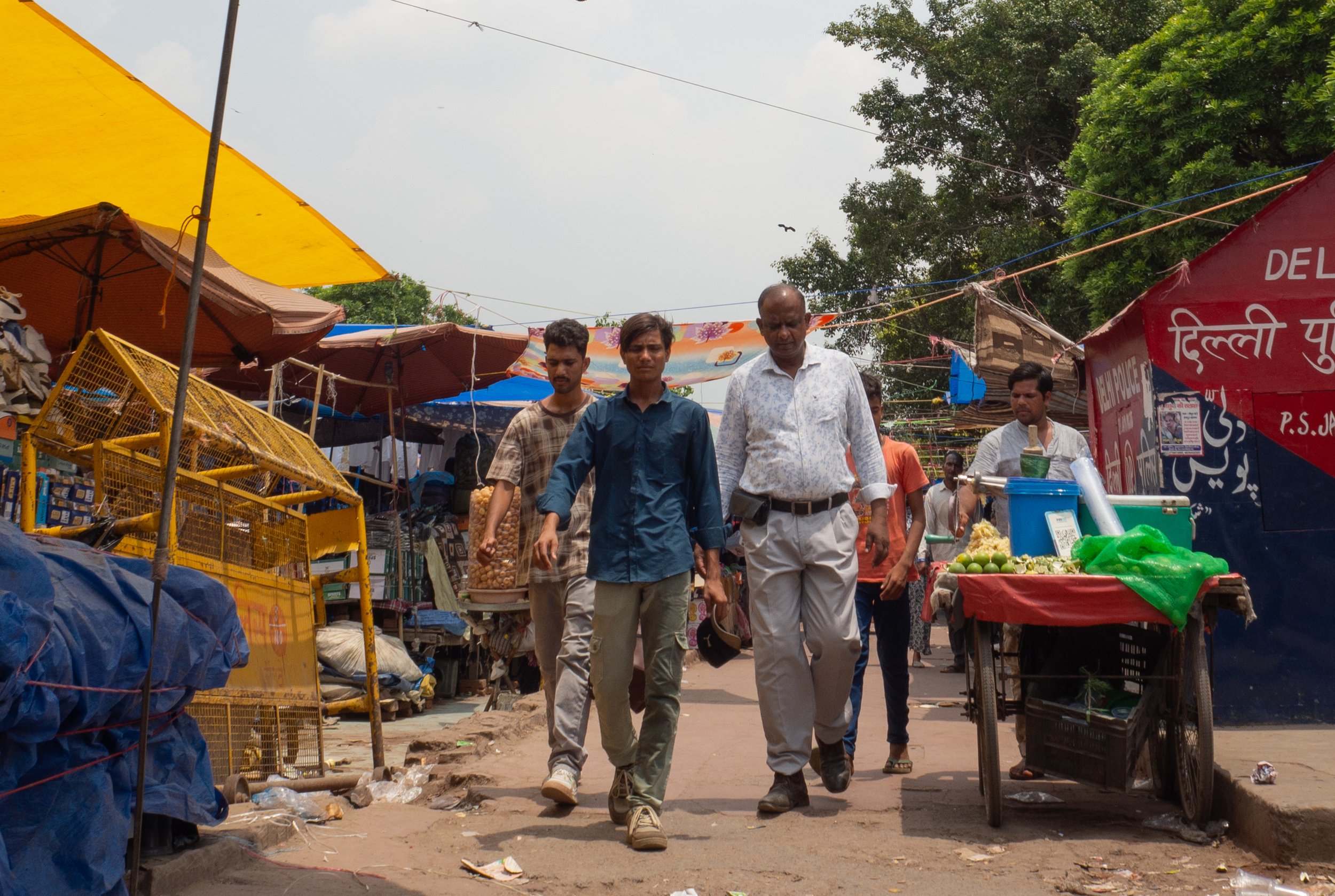
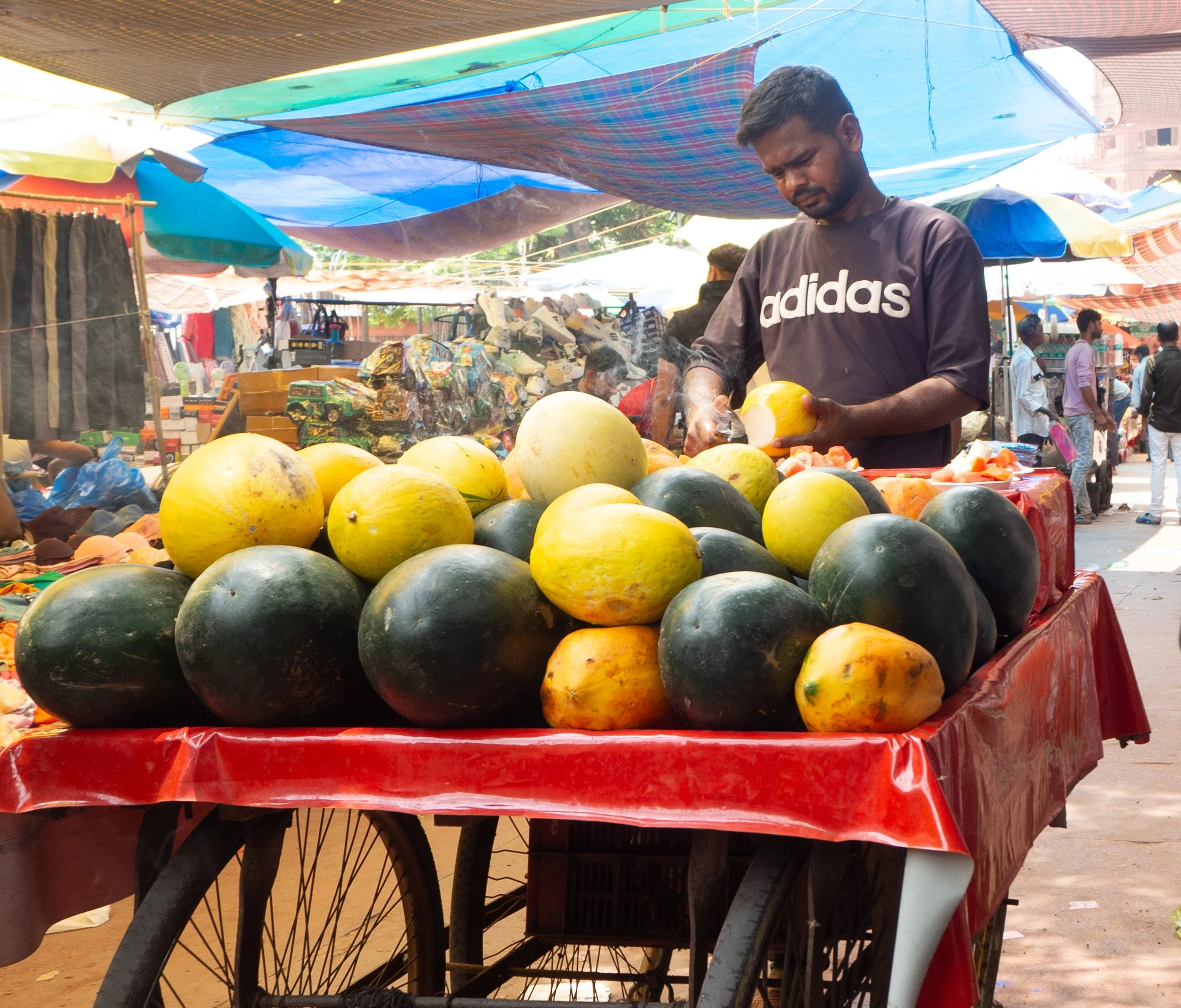
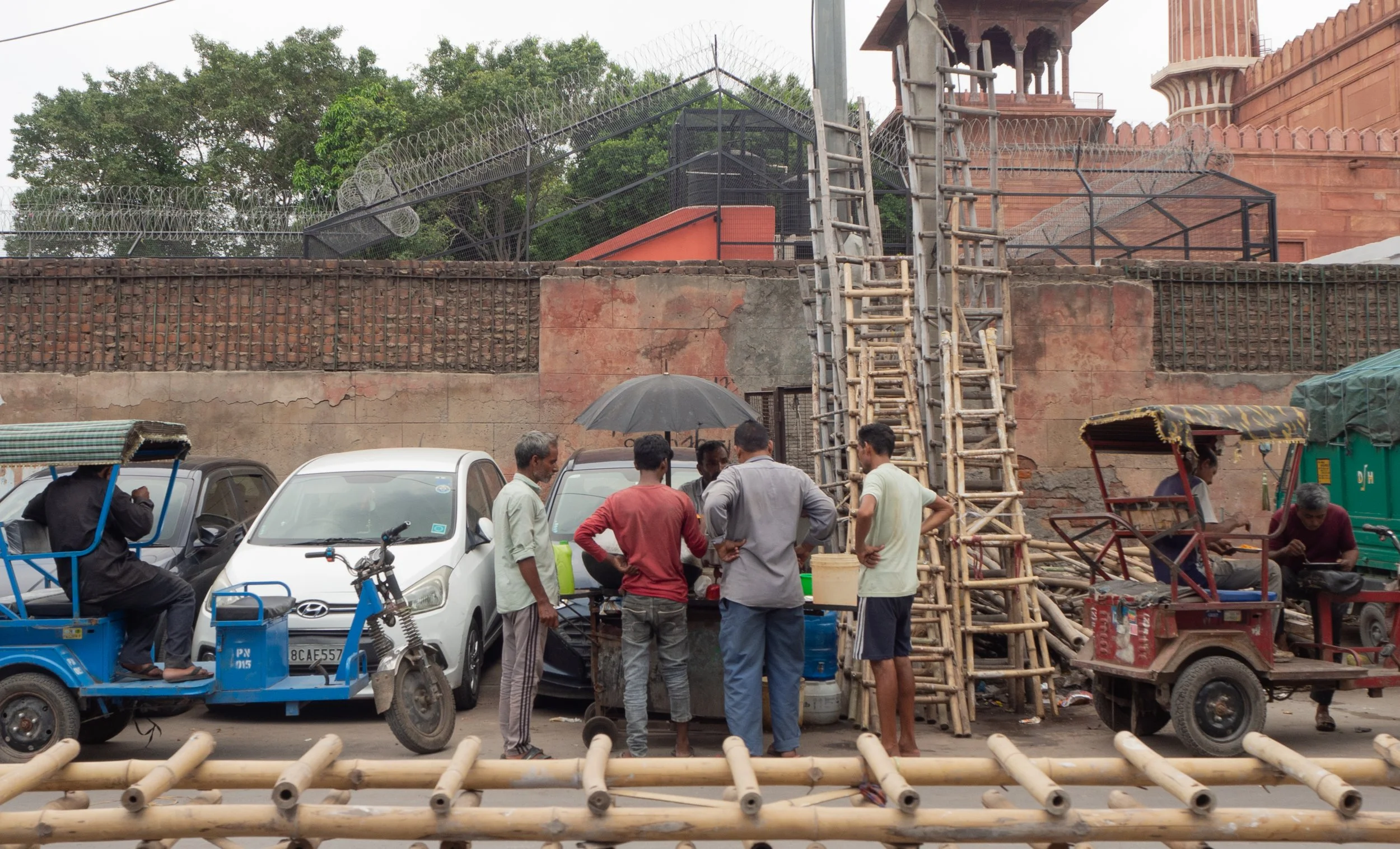
This is just a postcard, an Instamatic picture from Delhi taken in the summer of 2026. With time, this image will fade and, as it does, so will the Delhi of then. Because of one thing I’m sure: the India of tomorrow will look nothing like the India of yesterday, or even of today.